Small indies
Only independently published games with small teams were included. If a title listed a third-party publisher on Steam, it was excluded.
Special Report
An editorial spotlight on standout unique indie games that smashed 2025 with their unique design, fresh mechanics, and originality.
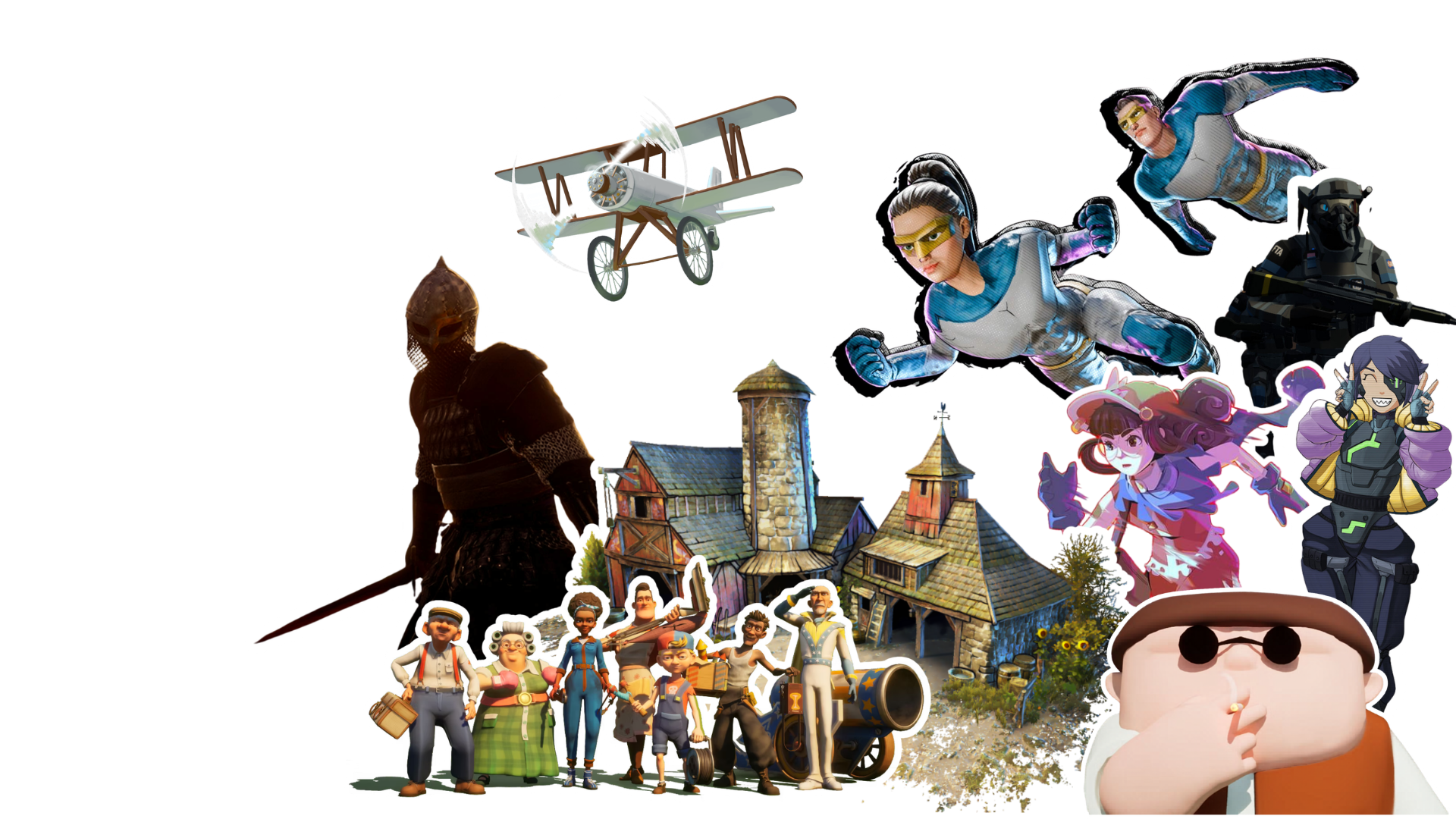

2025 was a brilliant year for indie games that dared to do something different. For this list, we set out to find the most unique indie releases of the year, focusing on games that broke from the usual trends and still managed to find an audience.
Only independently published games with small teams were included. If a title listed a third-party publisher on Steam, it was excluded.
Using our Steam map, we measured market density and assigned each game a saturation score. We then kept only below-average scores and ranked titles by uniqueness.
We combined saturation score with estimated units sold to find games that are not only unique, but also resonated with players.
A cozy engineering sandbox that perfectly balances creativity and realism
Release Date
11 Apr 2025
Developer
Jelle Booij
Saturation Score
1.7 / 10
Positive Reviews (%)
96.6%
Estimated Units Sold
400k+
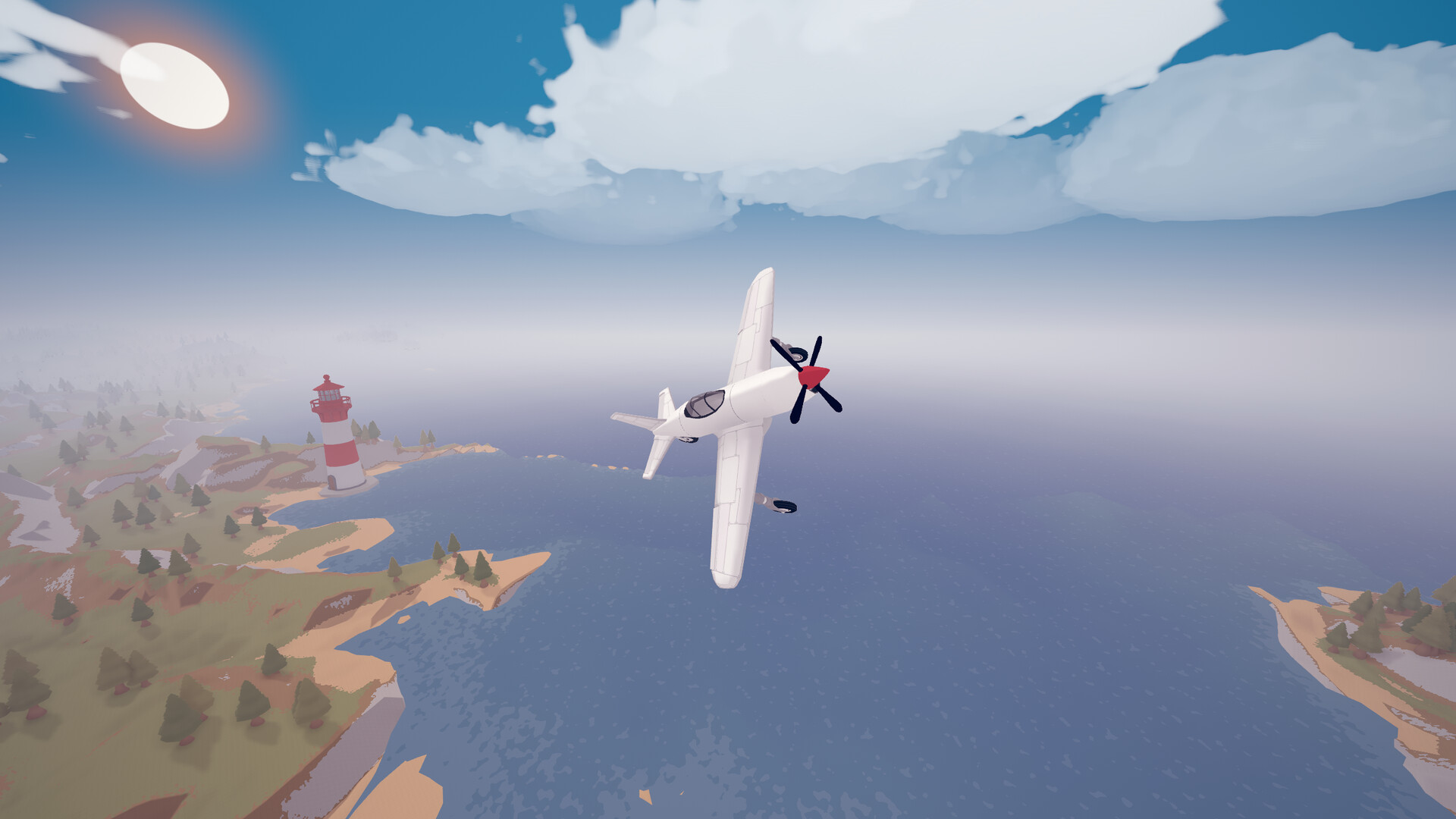
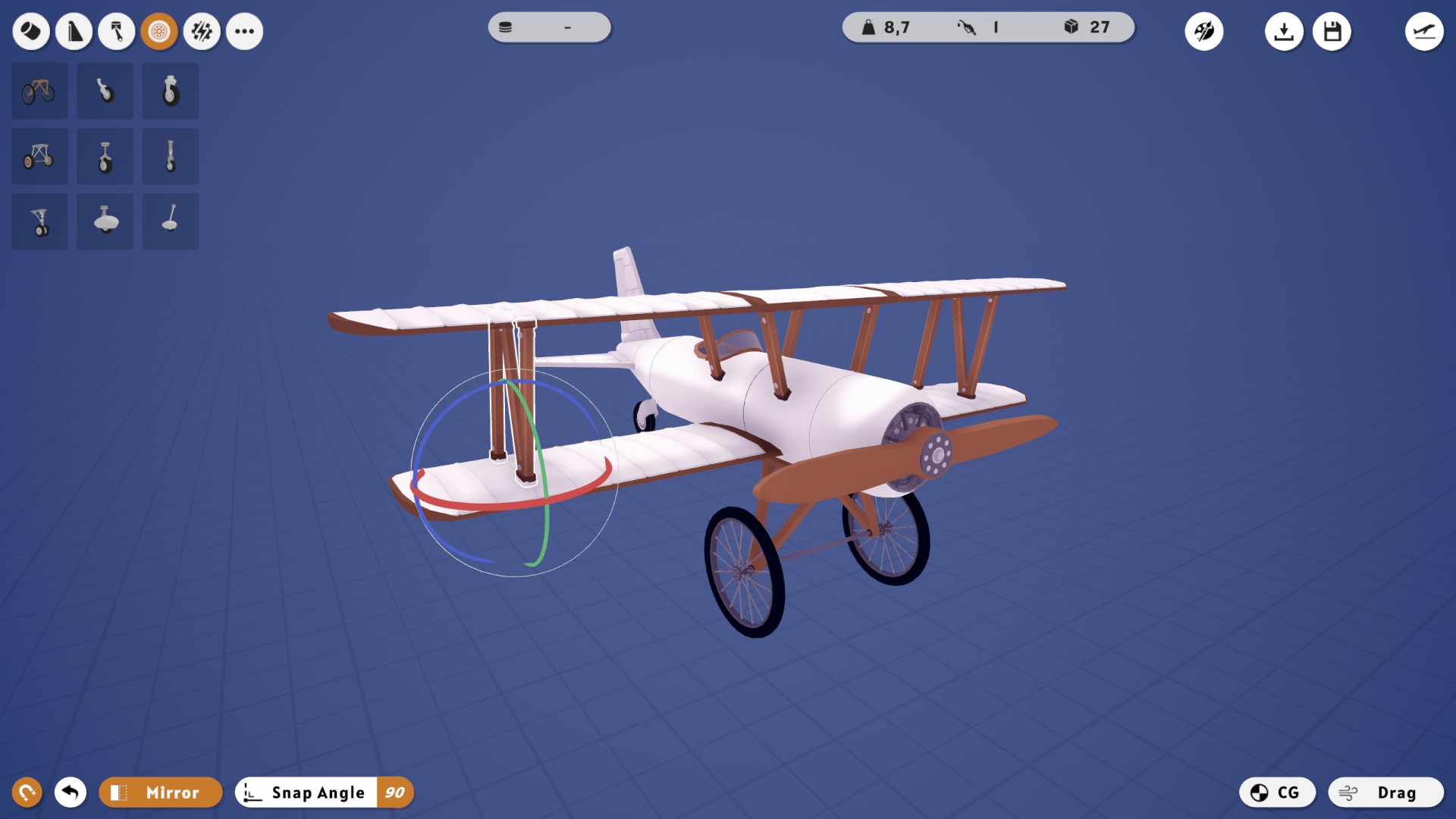
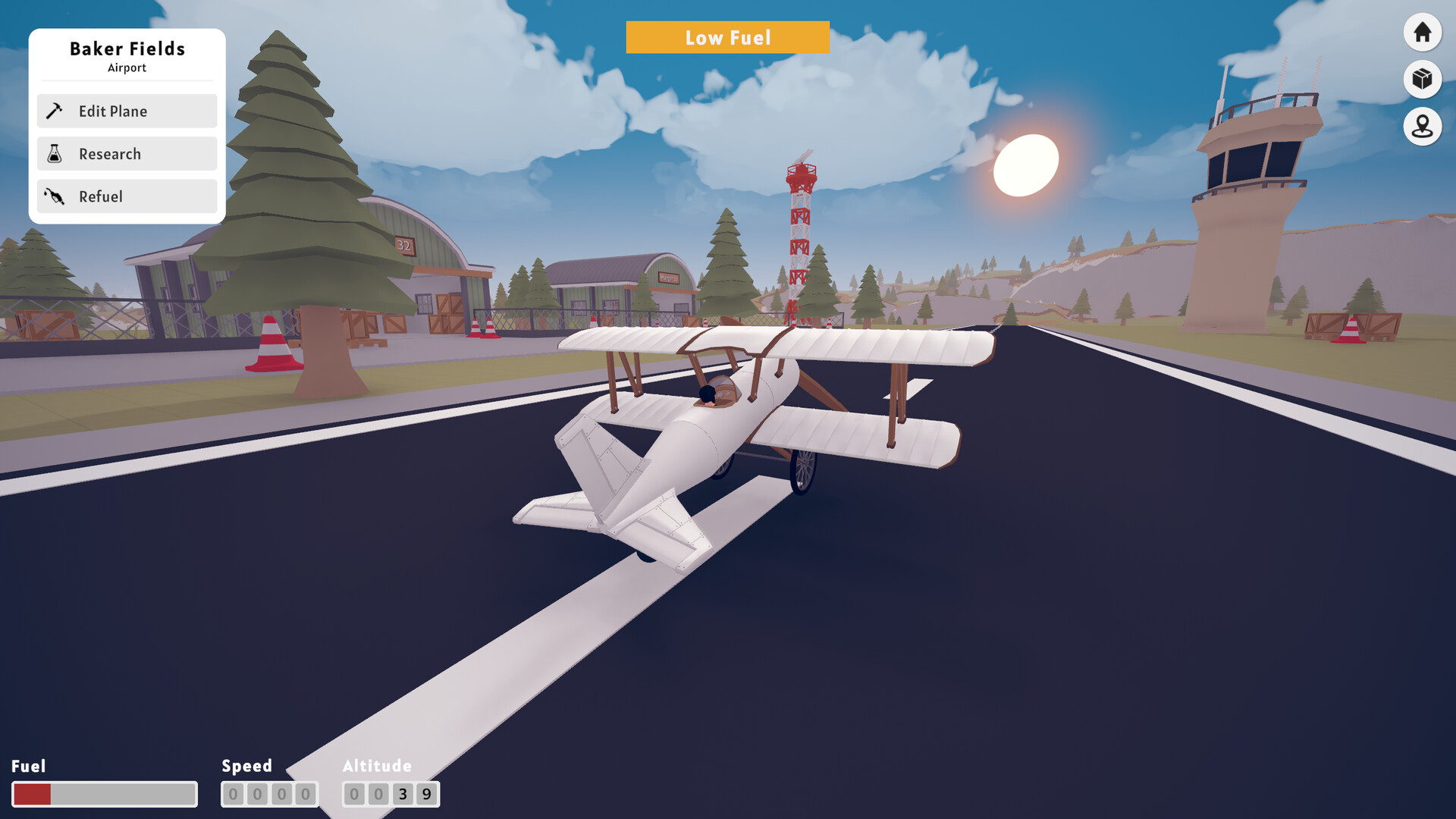
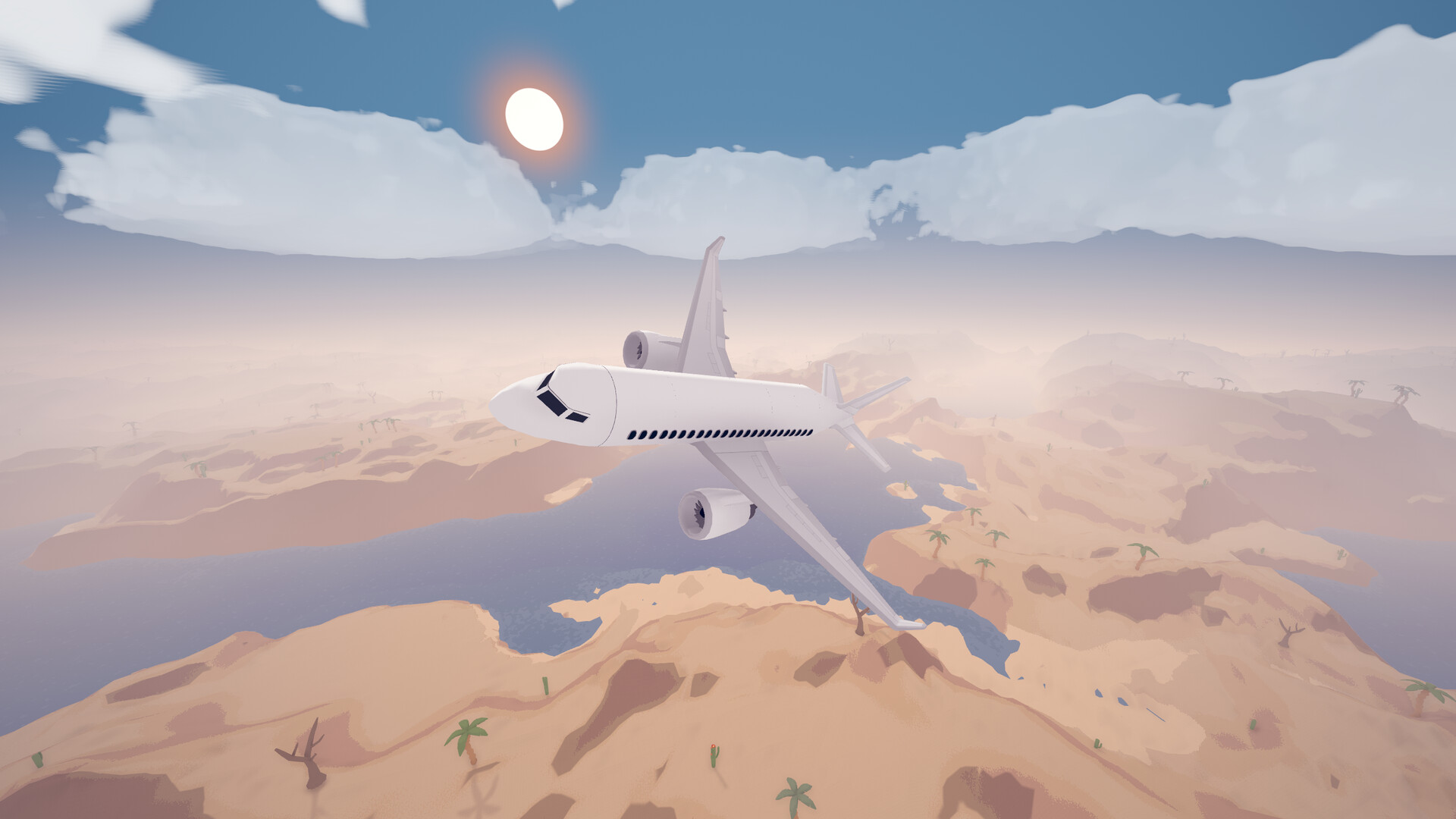
Aviassembly is a plane-building sandbox with a clear game loop: you design your own aircraft, take on cargo jobs, earn money, unlock better parts, and push farther into its open world. What makes it stand out is that the building is tied to real constraints like weight, fuel, cargo space, and cost. Every design has to do a job rather than just look cool on the runway. Combined with the cute art style, it lands somewhere between a cozy flight game and a playful engineering puzzle.1,2,3
Aviassembly was the second commercial release from Jelle Booij, a game developer and designer from the Netherlands. Before this, Booij released TasteMaker, a restaurant management game that helped push Booij into full-time indie development, resulting in Aviassembly.2,3,4,5
Booij says the idea for Aviassembly came from watching a documentary about the Wright brothers. Development began in May 2023 before the game launched in Early Access on April 11, 2025, and community feedback was a big part of development. There was a strong concept from the start, but this had to line up with friction points like fixed-size wings, limited part placement, 90 degree angle steps, and simplified flight behavior. One of the clearest challenges was balancing accessibility with enough freedom and simulation depth to make building planes feel inventive instead of restrictive.1,2,3
Booij had a Steam page up well before launch and released a public demo. Additionally, they shared an official gameplay trailer telling players to wishlist the game, and used Discord plus the Steam forums to gather feedback from players. On social media, Booij posted about the demo on Reddit in September 2024 and invited players to try it and comment on the concept. On the creator side, the game picked up YouTube coverage from channels such as Born 2 Game, SeniacTwo, Razors Edge, and Stormhaven Gaming around launch. Combining demo visibility, community engagement, and organic streamer discovery enabled players to discover the game with ease.1,2,6,7,8,9,10
A co-op road trip chaos sim where teamwork, physics, and panic collide
Release Date
21 Oct 2025
Developer
Nuggets Entertainment
Saturation Score
3.6 / 10
Positive Reviews (%)
90.8%
Estimated Units Sold
300k+
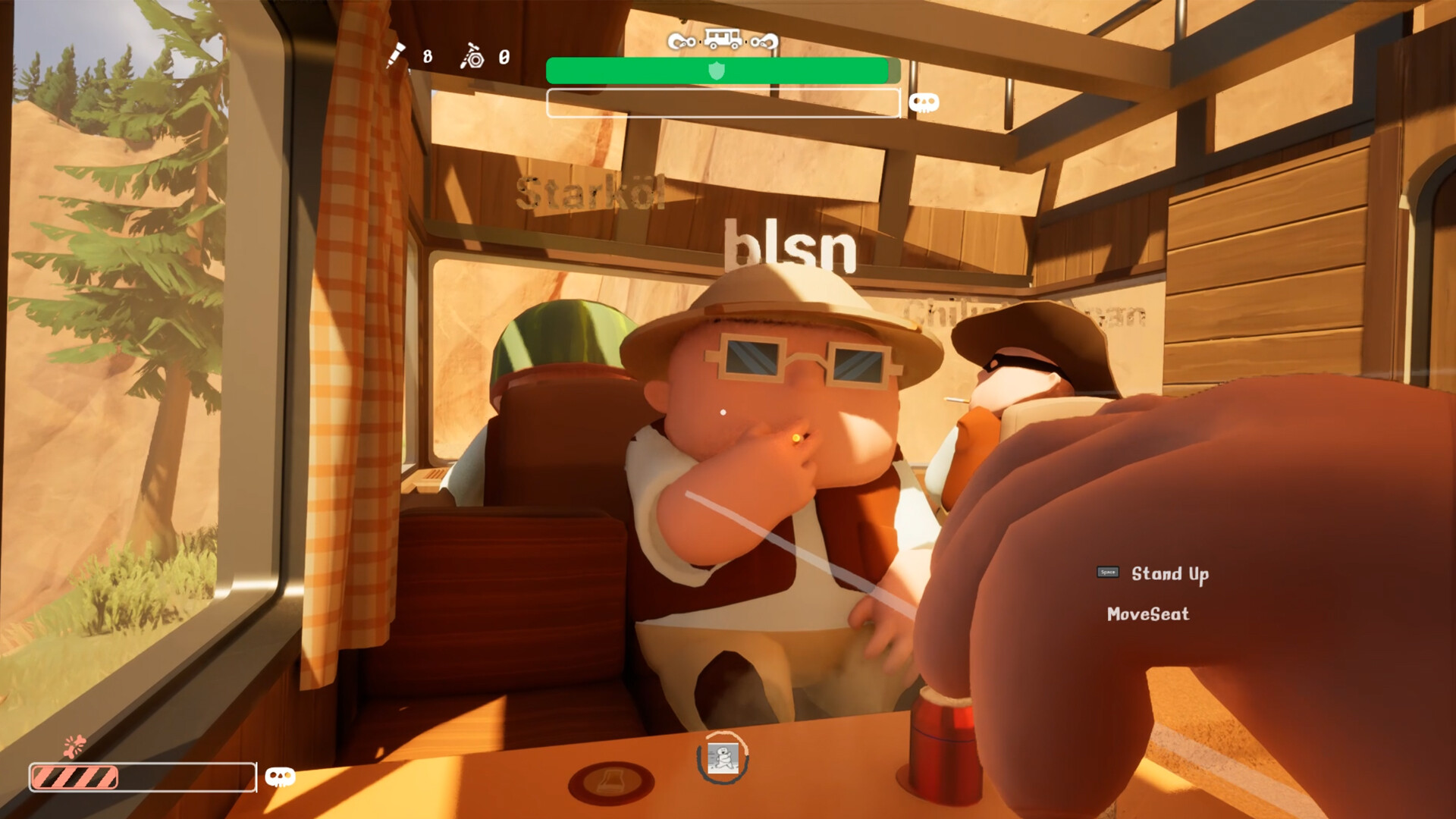
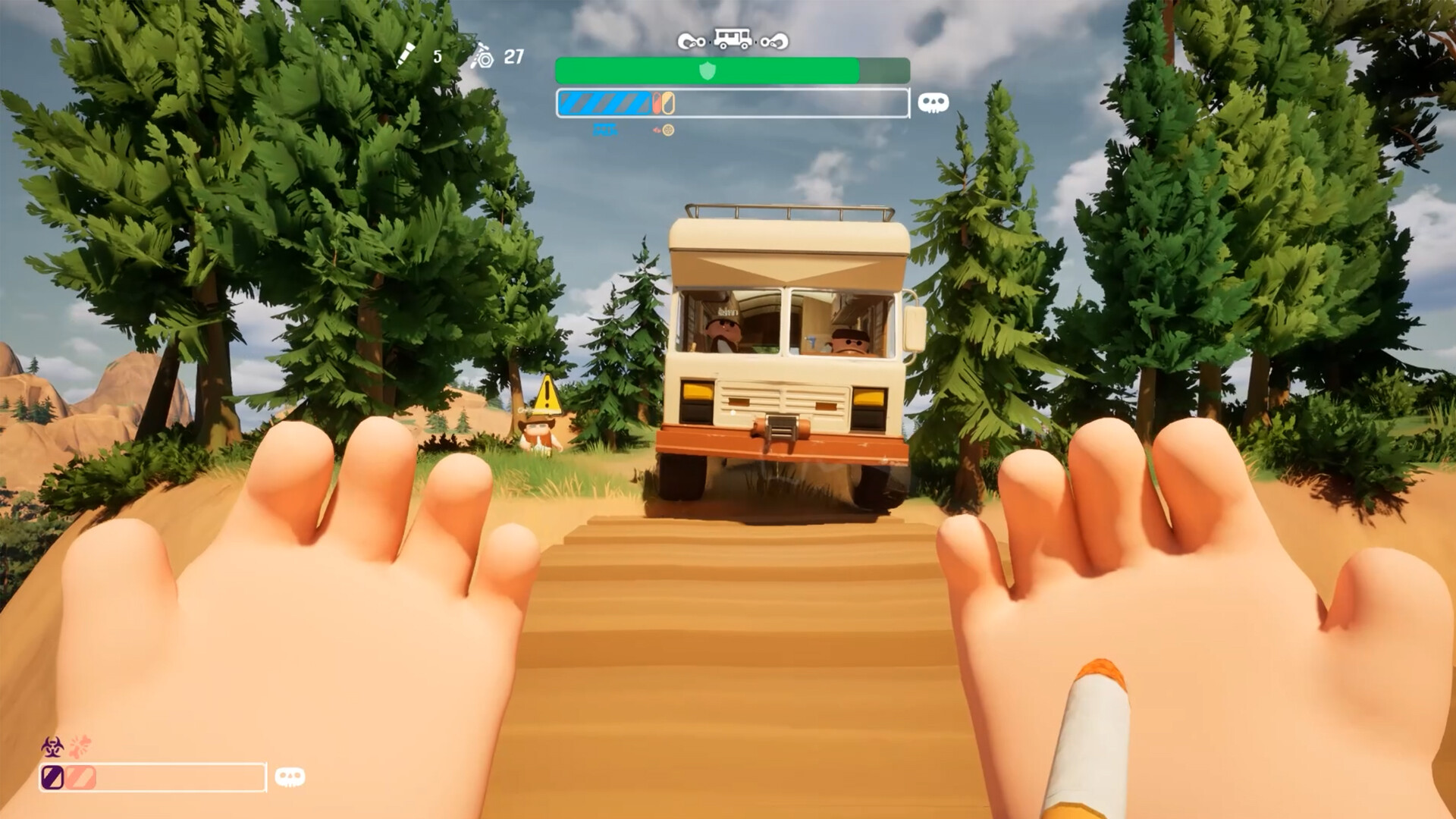
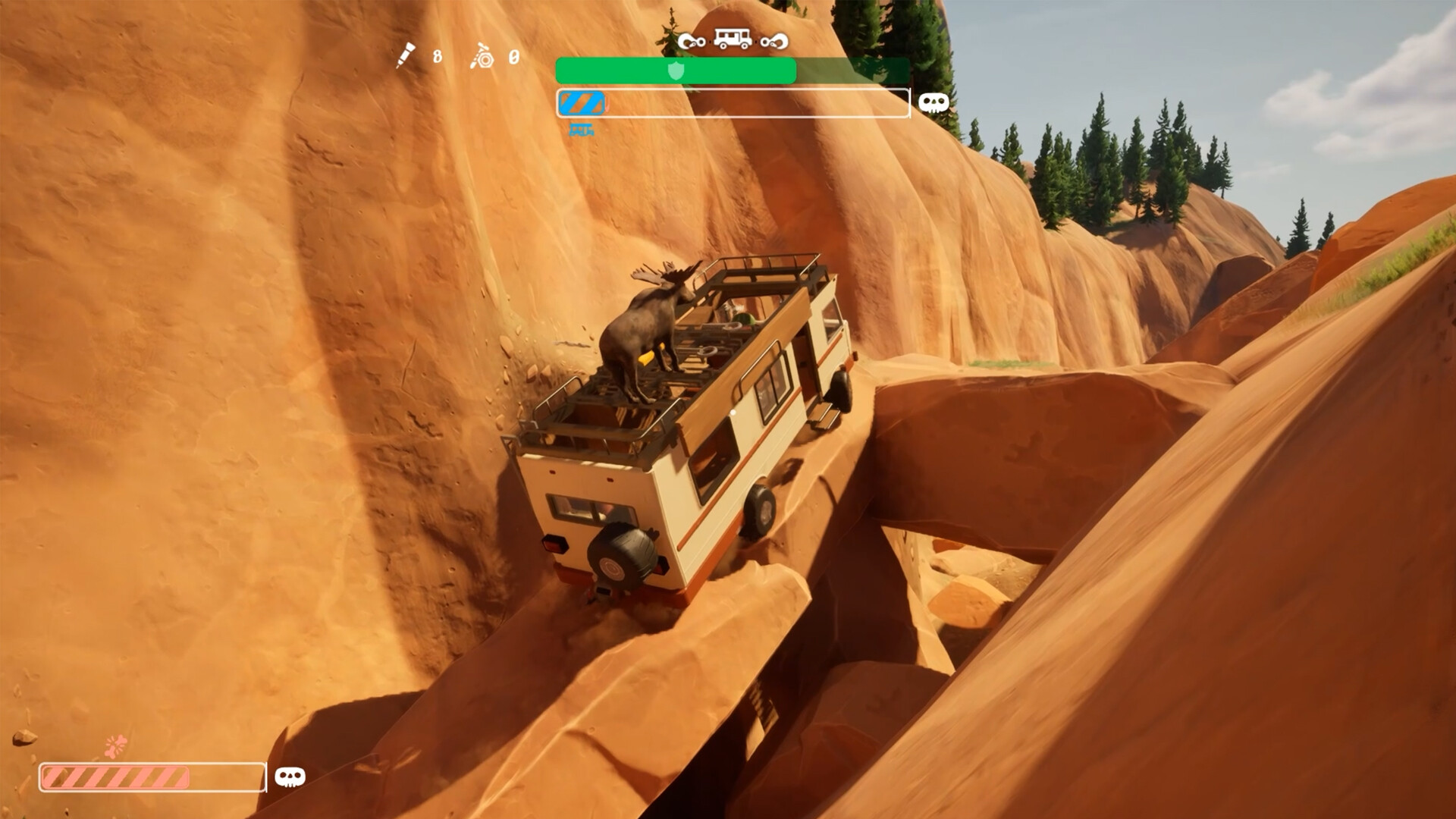
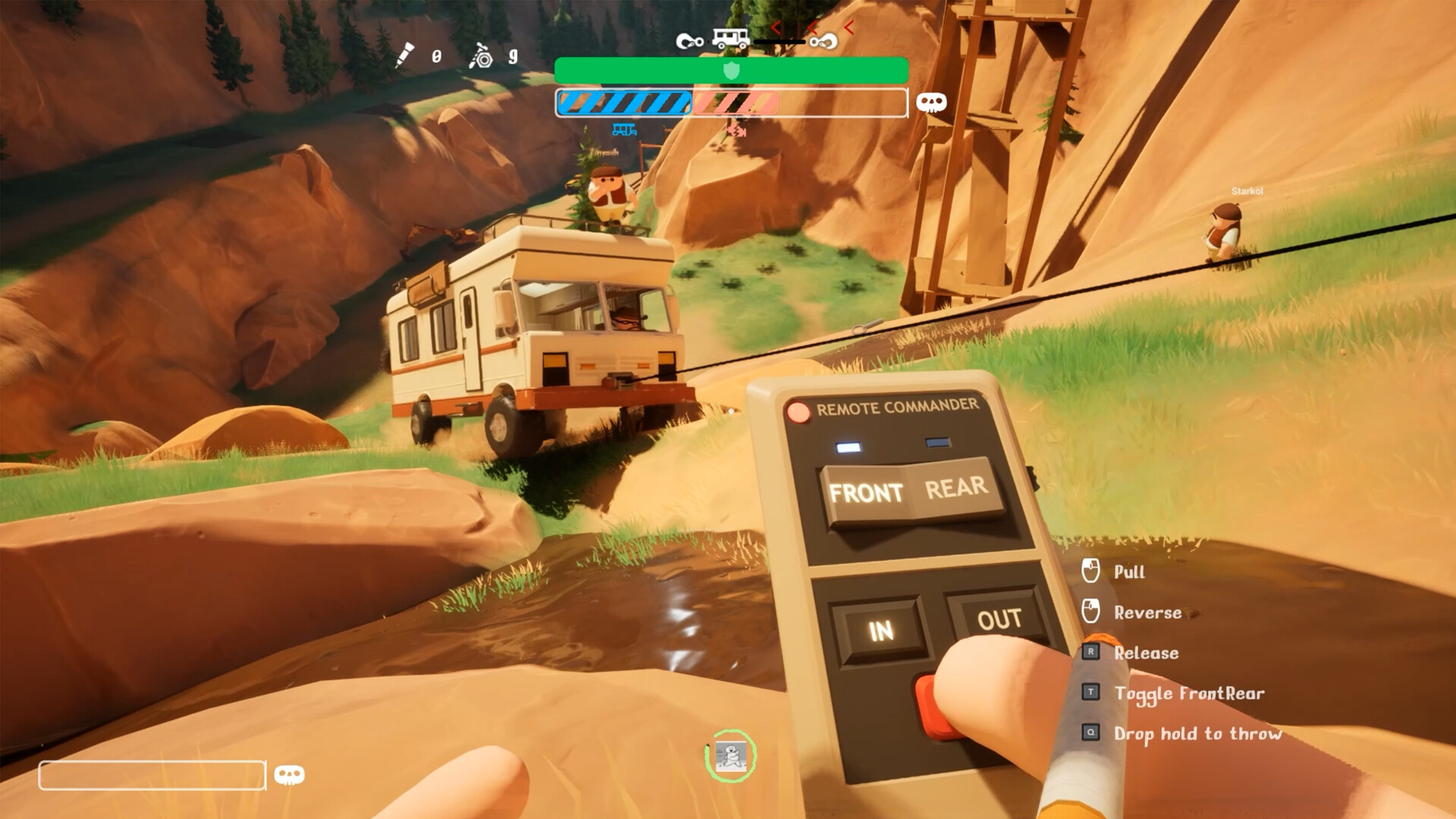
If you've spent any time looking at Steam's top sellers recently, it's likely that you've noticed a small indie title climbing the ranks. RV There Yet? is a cooperative adventure game that tasks you and up to three friends with driving a cumbersome motorhome across treacherous terrain. On the surface, it's a straightforward road trip simulator about finding your way home after a camping trip goes wrong, but it quickly becomes a hilarious battle against physics. What sets it apart in the multiplayer space is the intentional mechanical imbalance between players.1,2,3,4,5,6
The team behind this hit is Nuggets Entertainment, an indie game studio based in Skovde, Sweden. RV There Yet? serves as their debut title, but they are simultaneously working on a much larger project called Among The Wild. For a studio breaking into the market with their very first release, setting a new benchmark for cooperative gameplay is a monumental achievement.3,4
The game began as a passion project during a summer game jam in 2025. Using Unreal Engine, the small Swedish team built the core prototype in a matter of months before expanding it for launch. A major challenge was balancing chaotic physics with multiplayer reliability so sessions remained playable, but genuinely difficult.2,5,7,8,9
Rather than relying on a traditional campaign, Nuggets Entertainment leaned into clippable chaos. The game found an early spark on TikTok, then spread to Twitch and YouTube where streamers picked it up organically. By designing systems that naturally generate funny, high-stakes failure, the team turned creator content into their primary growth engine and drove sales well past 300k units.4,10,11,12,13,14
A high-speed runner roguelike set in a collapsing universe
Release Date
1 Apr 2025
Developer
Landfall
Saturation Score
2.6 / 10
Positive Reviews (%)
92.1%
Estimated Units Sold
540k+
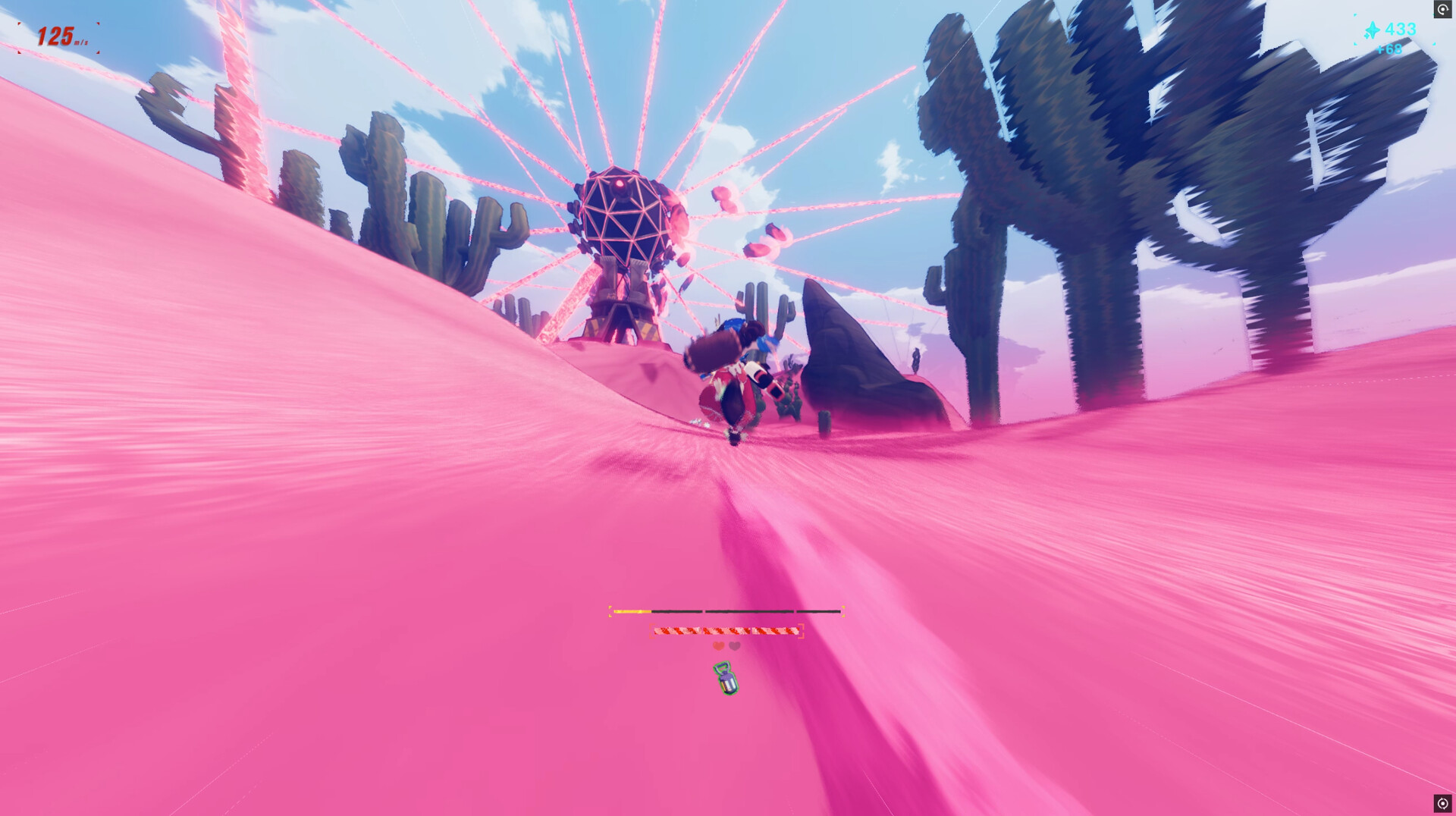
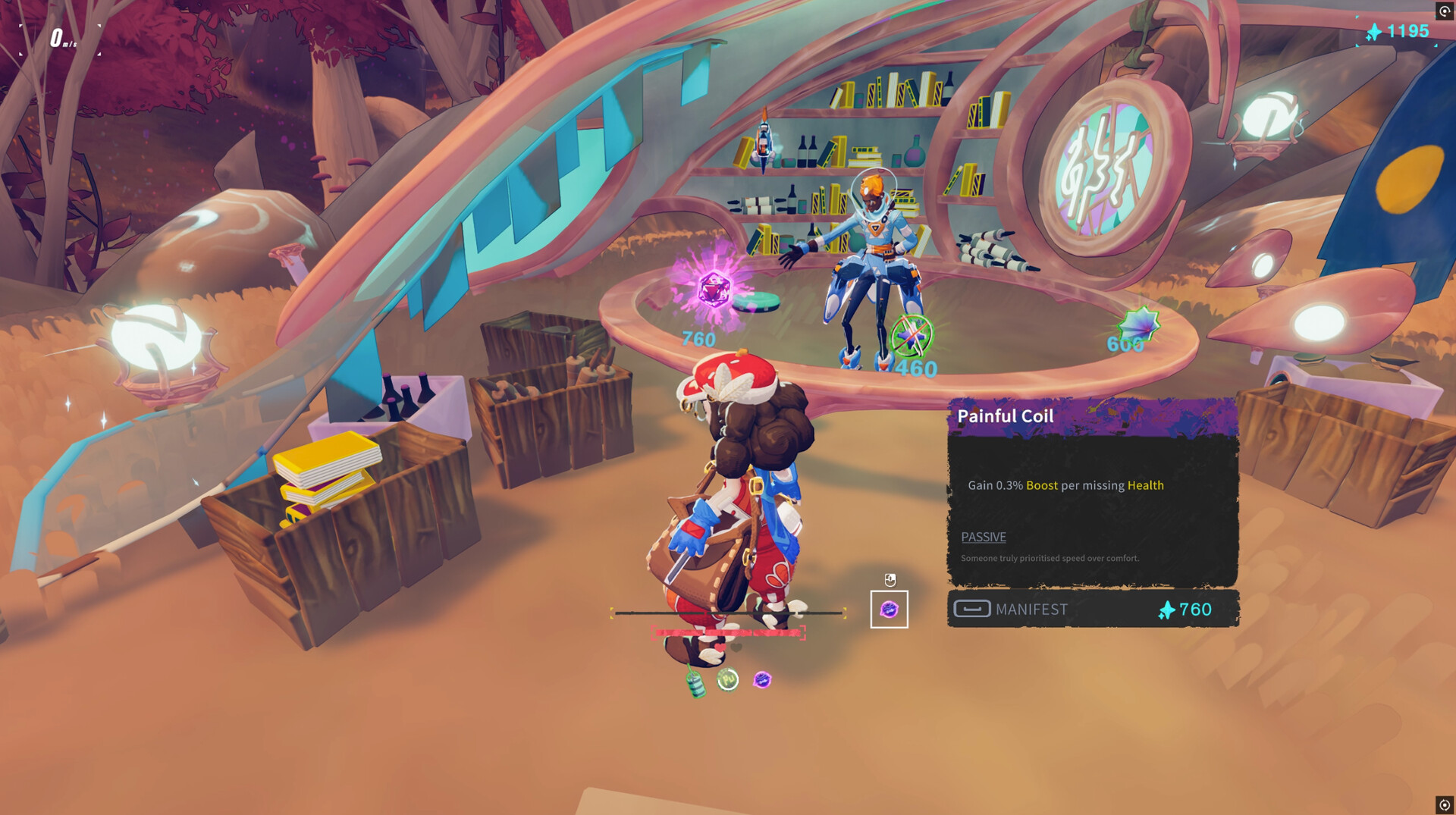
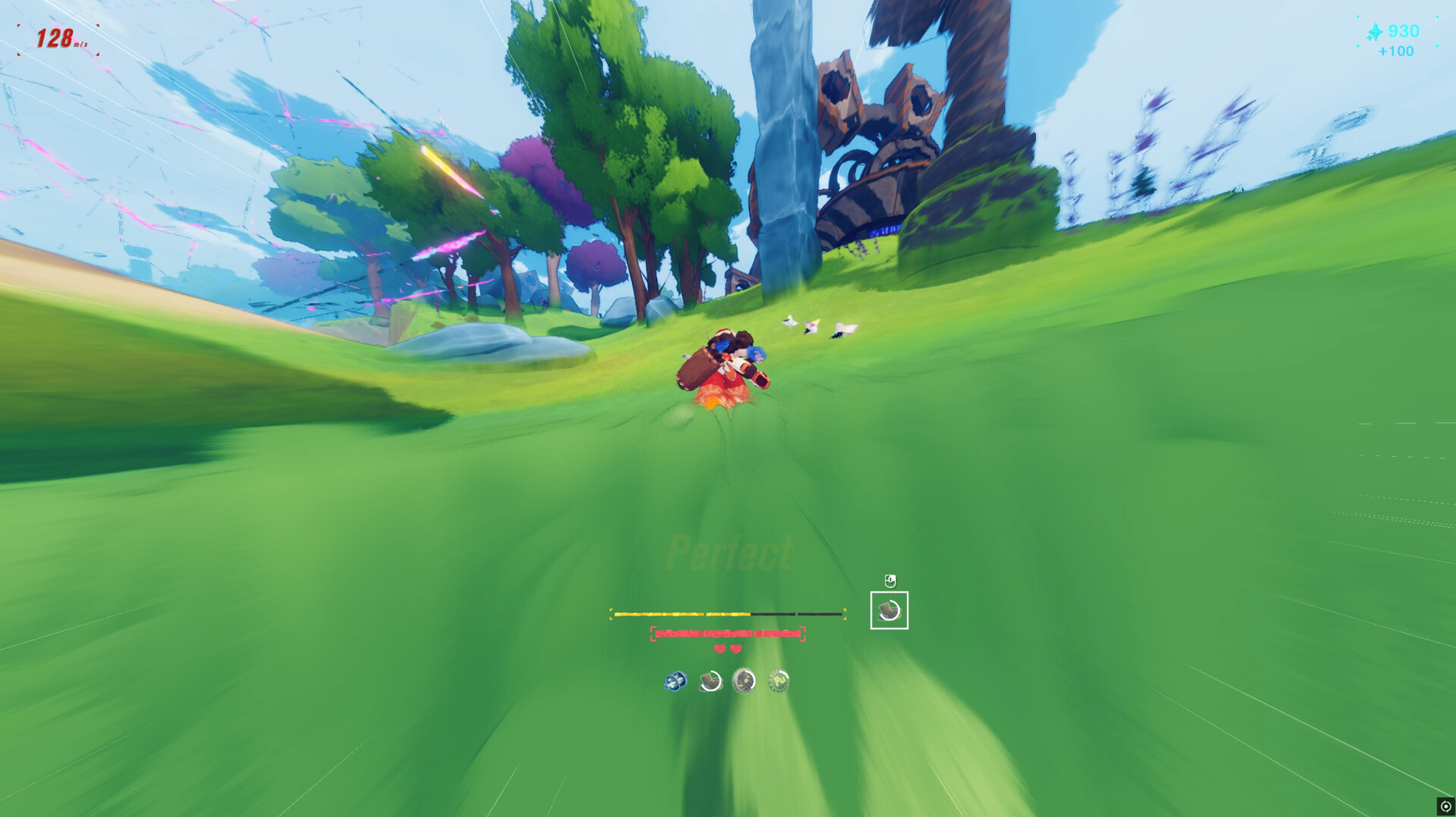
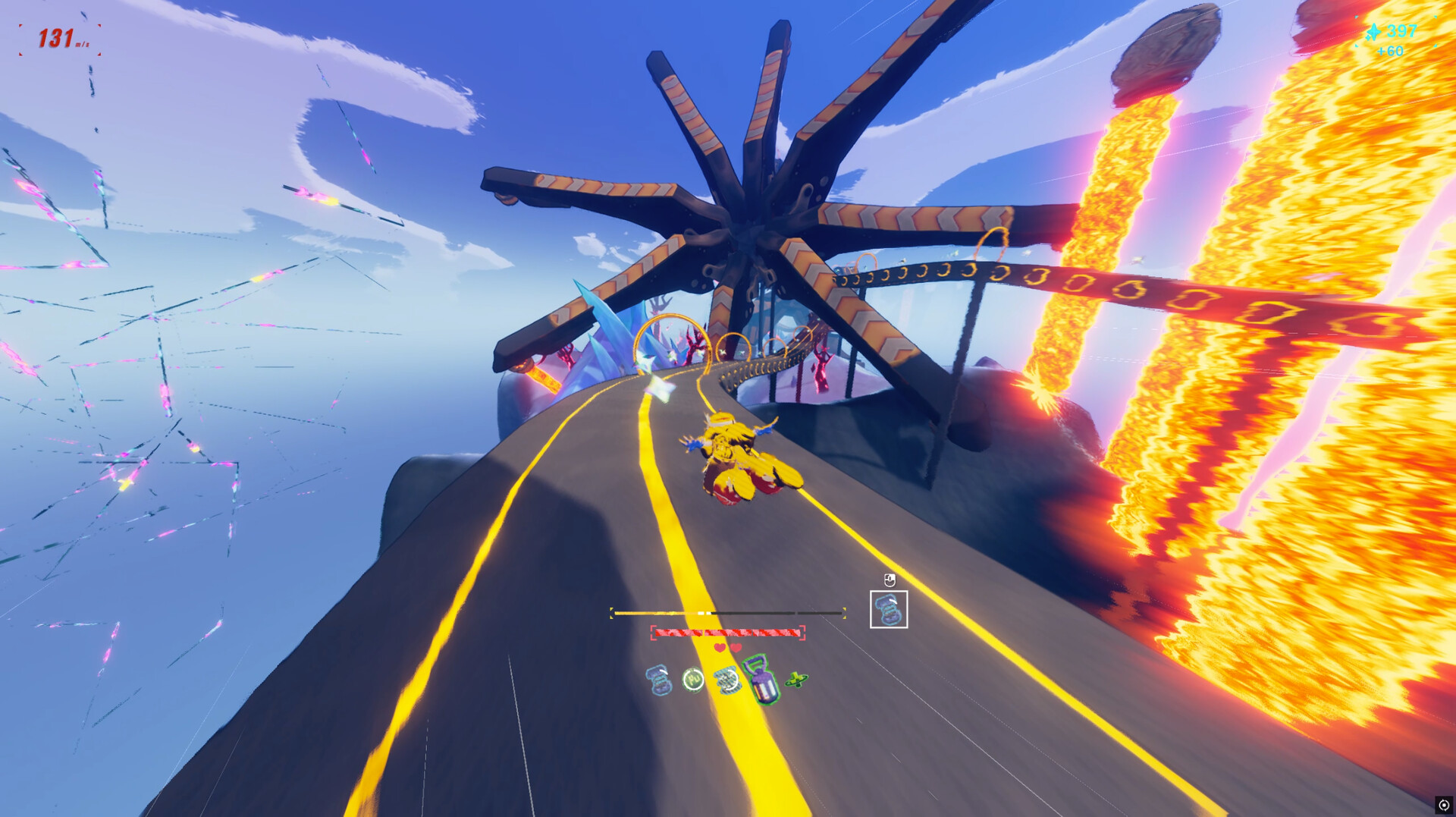
From the same studio behind TABS, Content Warning, and Peak, Haste is a fast third-person running game where players race through procedurally generated worlds before they collapse. Its unique edge comes from the blend of speed, strategic falling, character abilities, and optional online co-op in obstacle-heavy shards.1,2,3,4
The developer is Landfall Games, a Swedish studio known for physics-heavy chaos and comedic social experiences. Landfall are legendary and they never seem to miss, but their games tend to follow the same formula of comedic chaos. However, Haste marks a meaningful shift in tone and structure compared to their other titles, with stronger world building and character focus than many of their other games.3,4,5
Development on the game began in late 2021, making it a nearly four-year project that contrasts sharply with the studio's usual rapid development cycles. The team wanted to create a running experience that felt fresh, avoiding the repetitive nature that often plagues procedurally generated levels. One of the major challenges they faced was balancing the vast array of items and movement mechanics. Because the gameplay relies on maintaining incredibly high speeds, tuning the difficulty so that passive abilities triggered fairly without frustrating the player proved to be an ongoing hurdle during the design process.4,6,7
To market the game, Landfall employed a patient and transparent strategy rather than relying on sudden hype. Over three years, they built a dedicated audience by sharing development progress on TikTok, turning casual video viewers into committed fans. They also capitalized on Steam Next Fest by releasing a highly polished demo that attracted hundreds of thousands of players and generated massive wishlist spikes. The game officially launched as a surprise drop on April 1, a date the studio refers to as Landfall Day, which naturally attracted large streamers to play the final version. Following the release, they continued to drive organic growth by dropping free multiplayer updates and highly requested features like an endless mode.4, 8, 9
A dense top-down immersive sim built around hacking-driven systemic chaos

Release Date
18 Sep 2025
Developer
Nodayshalleraseyou
Saturation Score
0 / 10
Positive Reviews (%)
98.6%
Estimated Units Sold
41k+
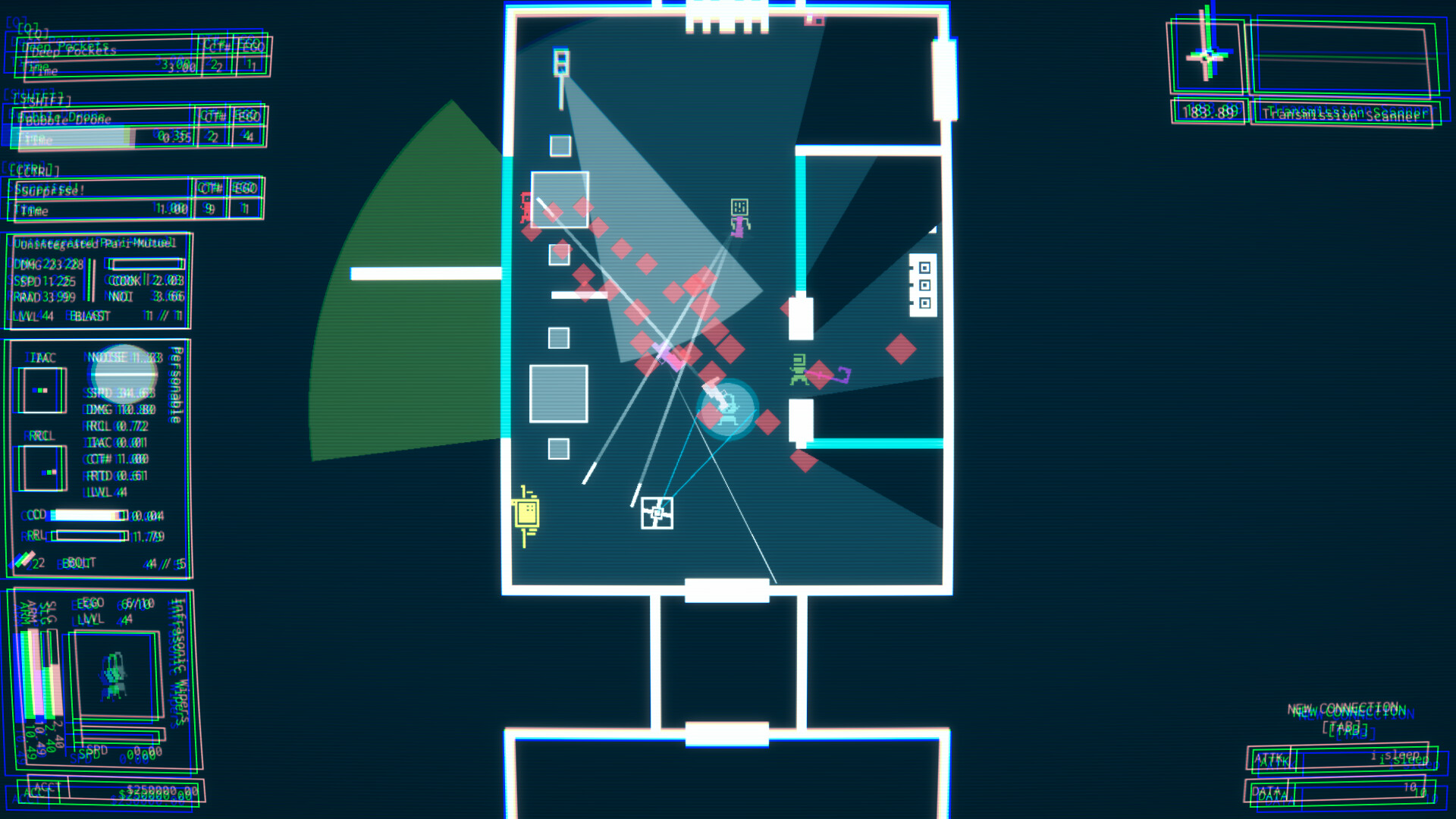
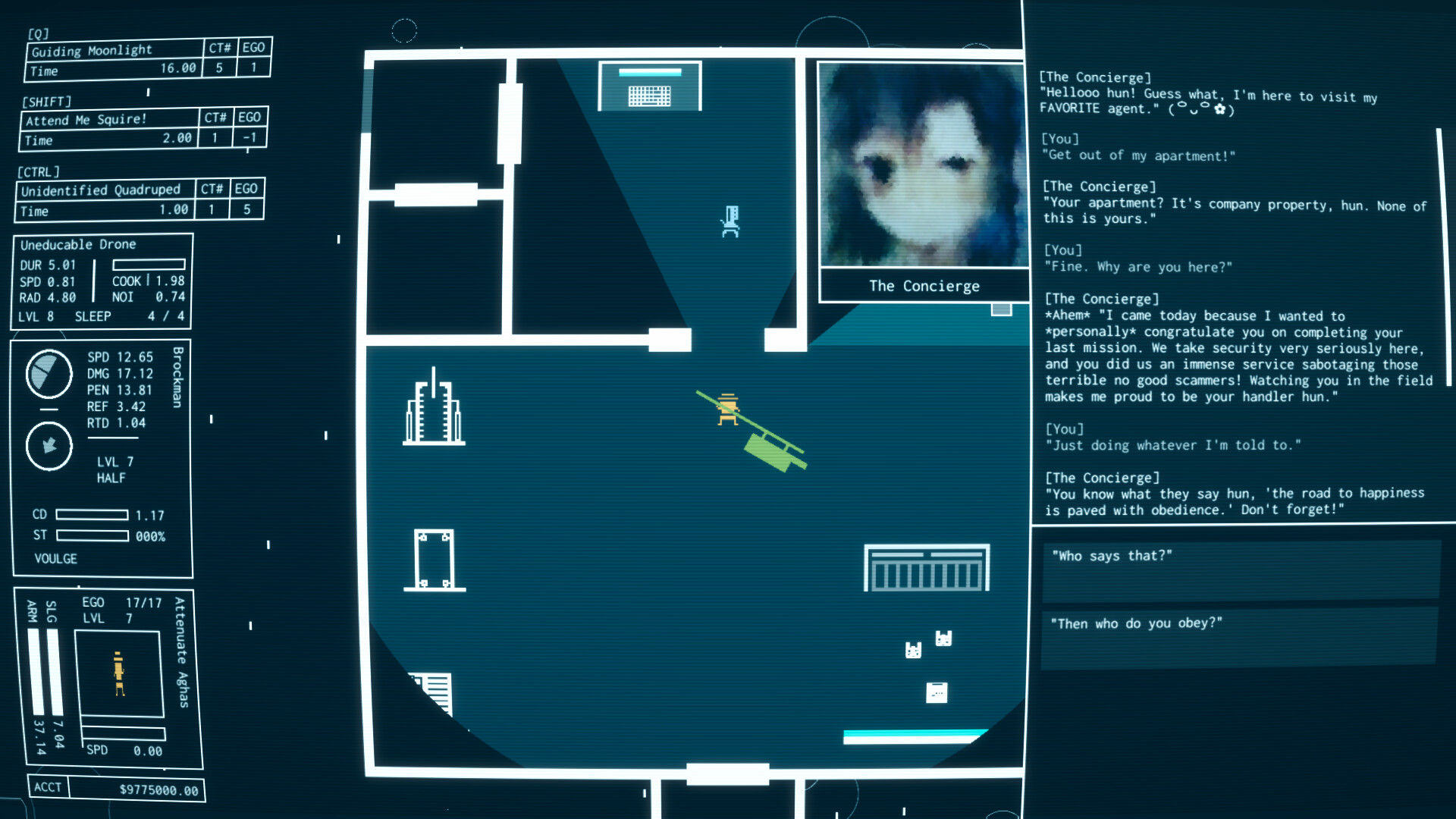
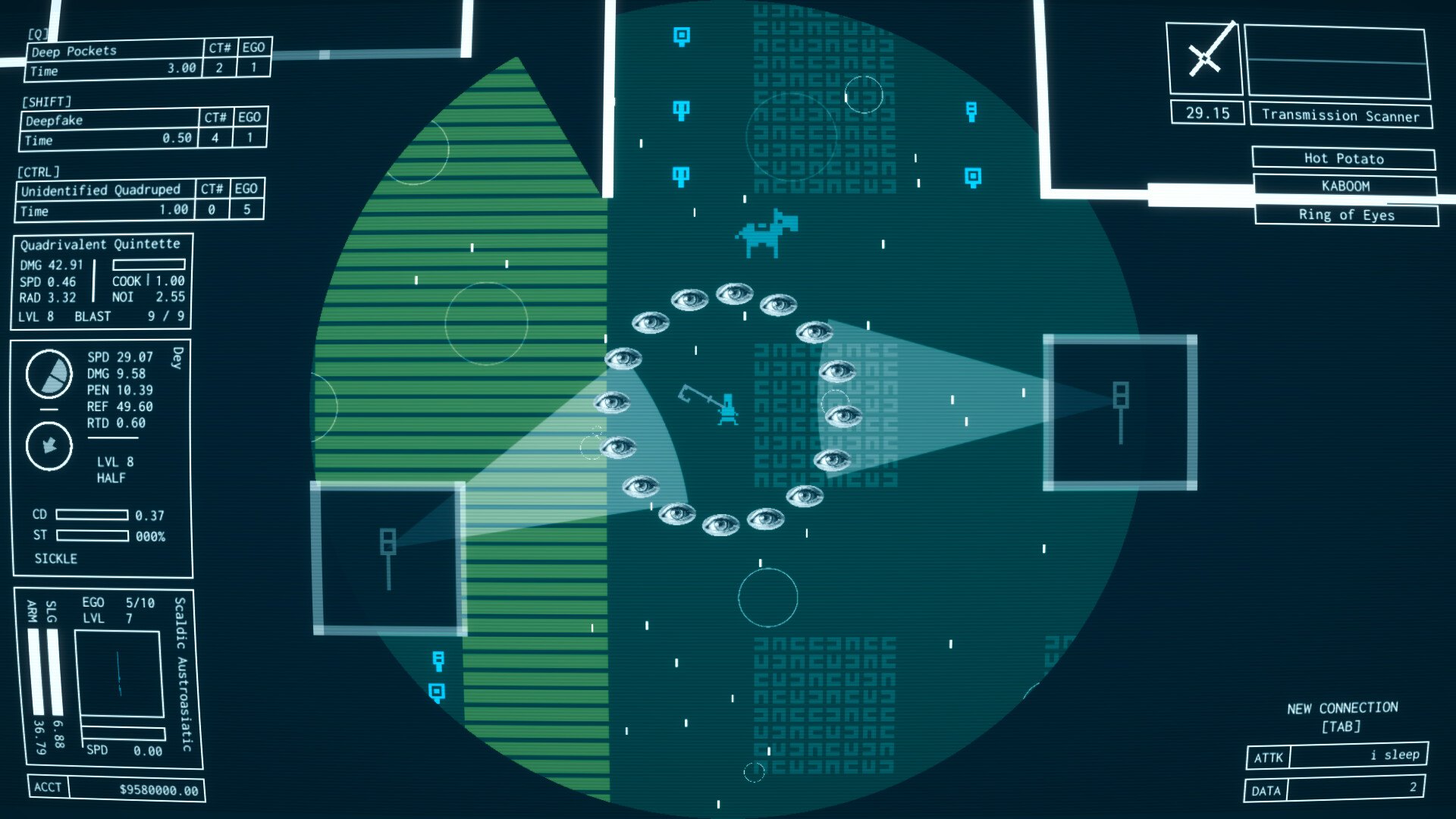
Deadeye Deepfake Simulacrum is a top-down immersive sim set in a cyberpunk future where the player returns in debt and survives by manipulating layered systems. It blends Hotline-style violence with Deus Ex-style problem solving, including camera hacks, trap chaining, and creative bullet manipulation.1,3,4,5,6
The game is the long-running passion project of a solo developer known as nodayshalleraseyou. Before this release, we couldn't find any major commercial launches attached to the studio name, making this launch especially notable.2,7,8,9
Creating Deadeye Deepfake Simulacrum presented significant challenges for a solo creator, requiring them to manage programming, writing, and art over a development cycle spanning more than four years. A major hurdle was producing the sheer volume of content needed for the game's highly customizable gear while maintaining a consistent visual style alone. To solve this, the developer built custom artificial intelligence tools, training a variational autoencoder exclusively on their own hand crafted sprites and using a generative adversarial network to assist with creating background art8,10,11
Marketing was fully grassroots: devlogs, demos, Reddit/Itch distribution, and sustained social posting. By sharing early prototypes and maintaining sustained social media updates, the solo developer organically built a dedicated core audience from the ground up. Additionally, niche creators on YouTube helped convert cult awareness into meaningful sales and a high review score, proving you don't need a big studio to make a big impact.2,4,12,13,14
A social sandbox MMORPG driven by player-made economies and settlements
Release Date
16 Oct 2025
Developer
Mainframe Industries
Saturation Score
2.6 / 10
Positive Reviews (%)
56.9%
Estimated Units Sold
340k+
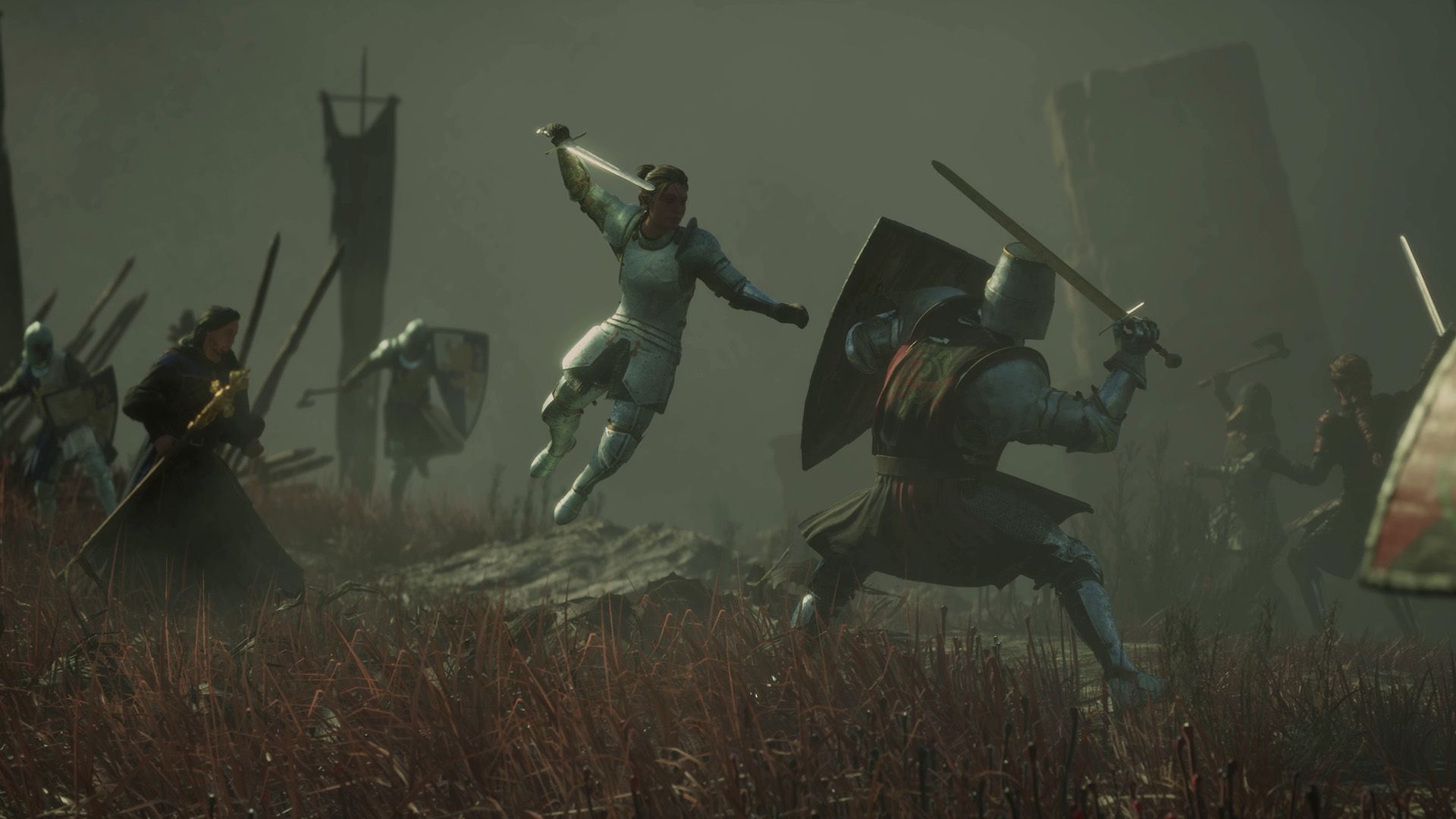
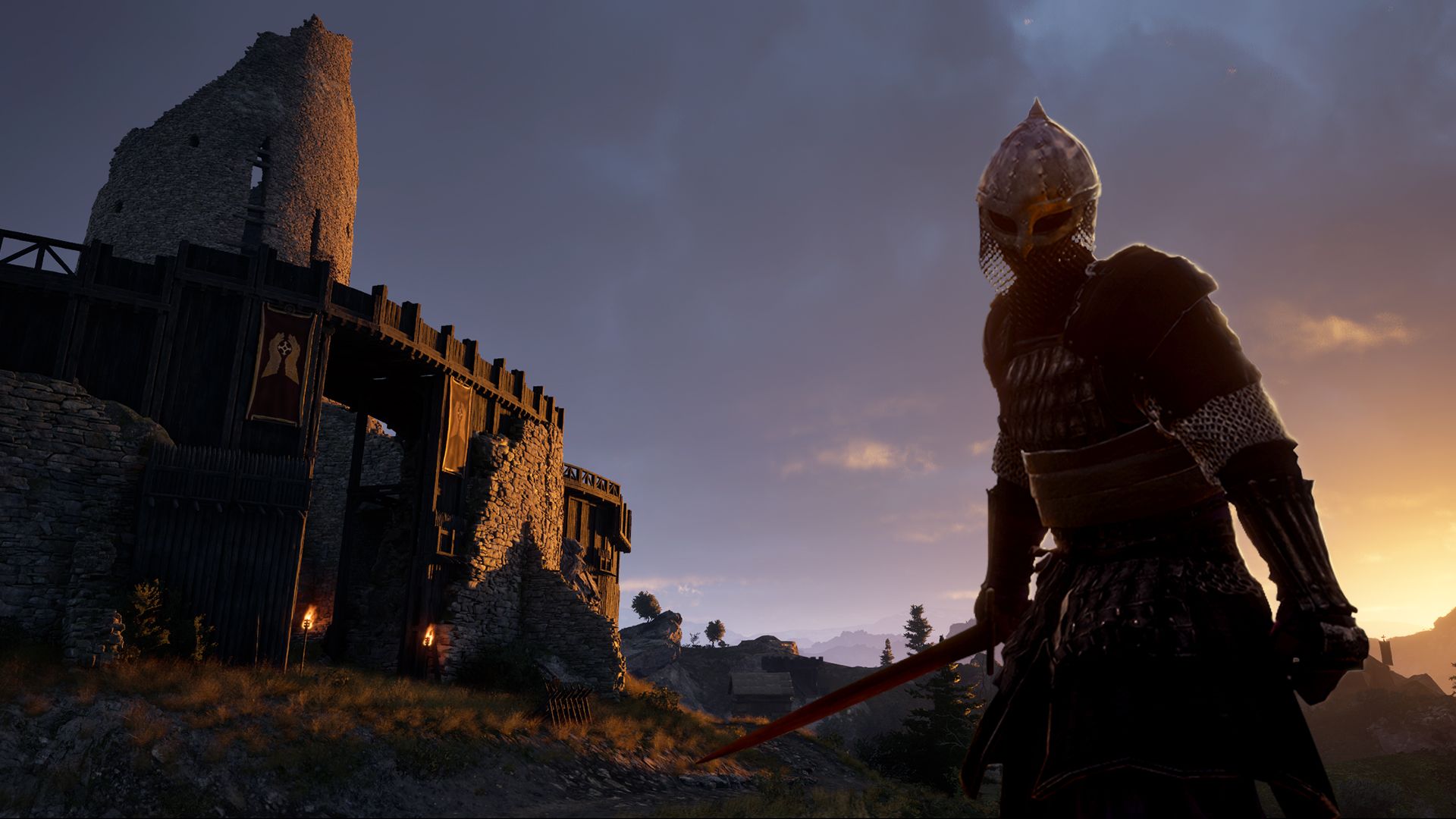
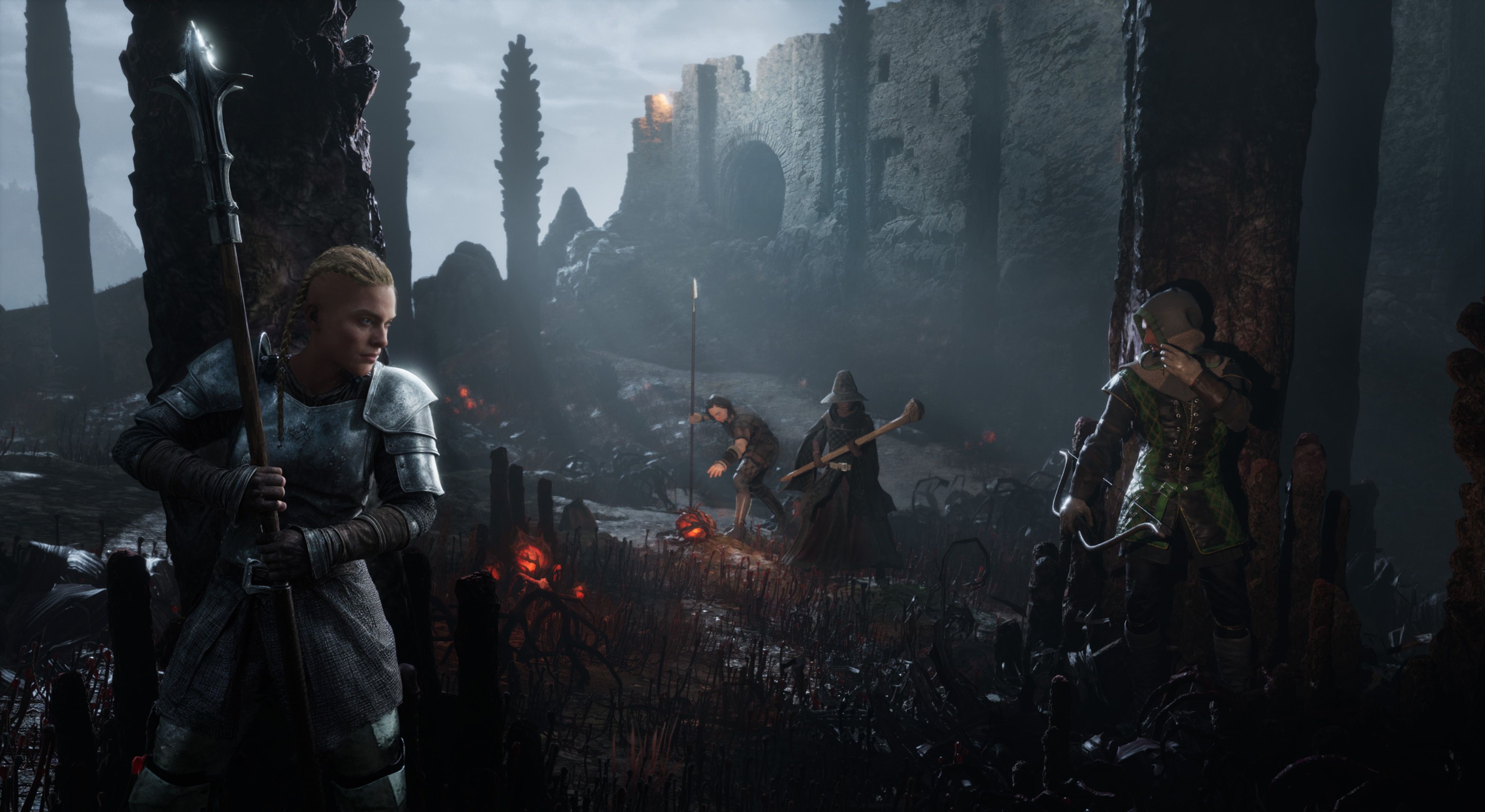
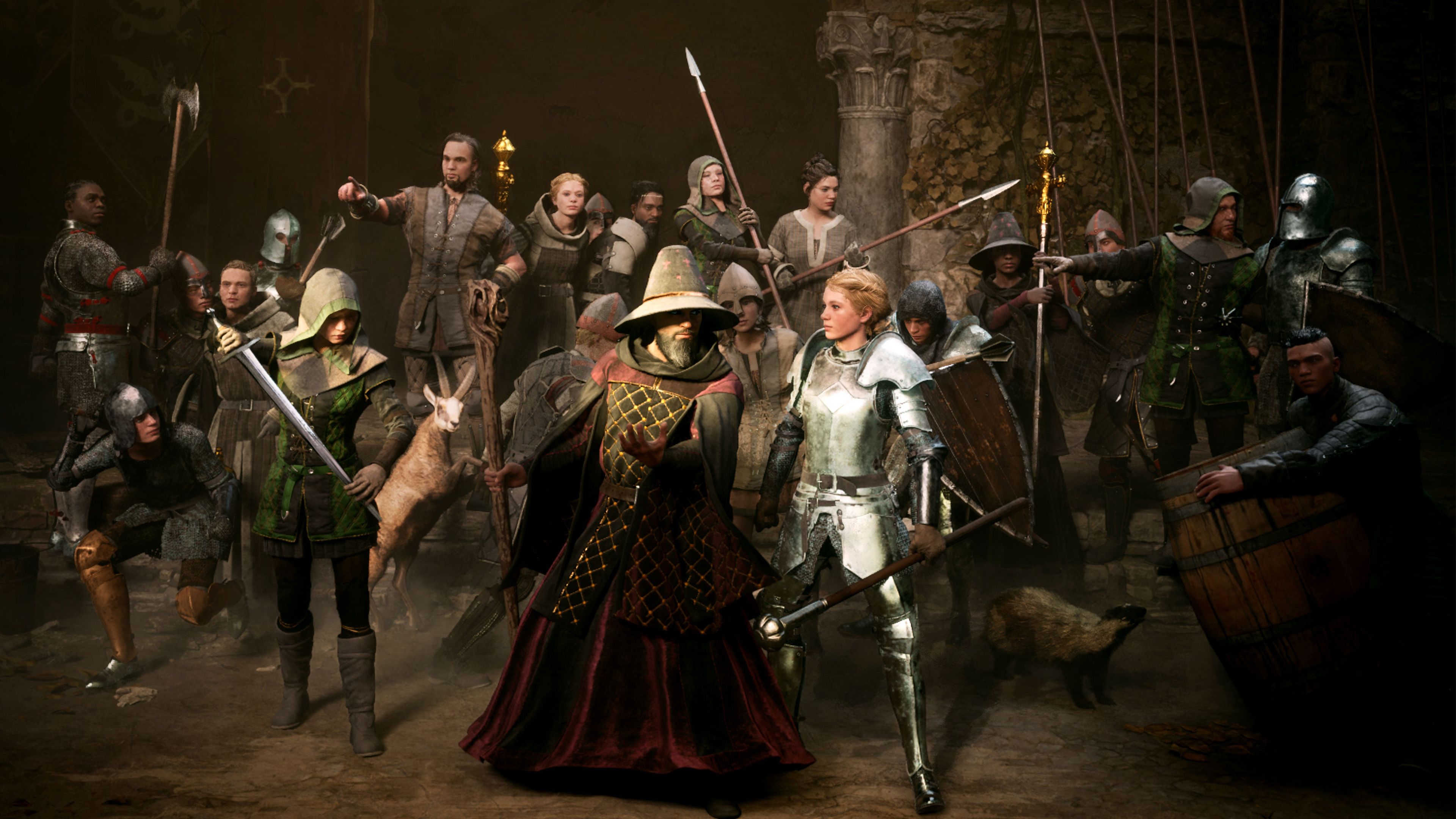
Pax Dei is a massive, player-driven social sandbox MMORPG where the entire world is shaped by its inhabitants, requiring players to build homes, forge alliances, and craft every single item from scratch. What makes it unique is its complete reliance on a player-generated economy and social infrastructure, stripping away traditional computer-controlled vendors and structured questlines in favor of organic diplomacy, territorial control, and collaborative village building.
Although the game received mixed reviews on Steam, we have included it in this feature because it ambitiously attempts to serve a clearly underserved audience that craves deep, systemic social interactions. The social sandbox MMORPG space is a notoriously difficult market to penetrate, yet Pax Dei still managed to be a remarkable commercial success for an indie title, boasting over 340,000 estimated units sold.1,2,3,4,5
The game was created by Mainframe Industries, a venture-backed independent studio founded by veteran developers who have deep roots in the MMO and technology sectors. The leadership team includes figures like Thor Gunnarsson (CEO) and Kjartan Emilsson (CTO), who previously held key roles at CCP Games, the studio famous for creating the legendary sci-fi sandbox EVE Online. Other co-founders brought extensive experience from studios like Rocket Pack and Armada Interactive. This rich experience in managing massive, complex virtual economies and player-driven narratives directly informed their approach to building the foundational mechanics of Pax Dei, applying the community-reliant philosophy of EVE to a low-fantasy, medieval setting.6,7,8
Developing an expansive, cloud-based MMO from scratch presented massive technical and design challenges for the team. Because the game relies entirely on player creations to populate its initially empty world, the developers had to meticulously balance the friction of survival mechanics against the need for steady progression, a task that proved highly difficult to tune perfectly for all playstyles.
Managing server stability with thousands of complex, custom-built player housing plots across persistent zones was also a major technical hurdle. To solve the immense challenge of building reliable in-game communication for a title so heavily reliant on player coordination, Mainframe Industries became one of the first studios to partner directly with Discord, integrating their new Social SDK to handle chat and voice systems natively.5,7,8,9,10,11
The game was heavily marketed through social media campaigns and partnerships with content creators and streamers, emphasizing the "craft your own story" angle and encouraging players to share their massive castle builds online. However, this marketing met the reality of Early Access, leading to a wave of negative reviews that criticized the grueling gathering grind, extensive bugs, lack of mid-game content, and a controversial monetization model involving subscription fees for land plots. These criticisms highlight clear opportunities for the developers to implement basic quality-of-life features like item salvaging, smooth out the progression pacing, and add more dynamic world events to keep solo players and small groups engaged.
Despite these growing pains, Pax Dei deserves significant praise for its core merits; it successfully delivers a breathtakingly expansive canvas where player cooperation, massive architectural feats, and genuine community building actually matter, offering an immersive experience that few modern games even dare to attempt.2,4,5,9,12,13
An open-world hero sim about balancing crime fighting with ordinary life
Release Date
15 Sep 2025
Developer
Mightyraccoon Studios
Saturation Score
0.6 / 10
Positive Reviews (%)
77.9%
Estimated Units Sold
34k+
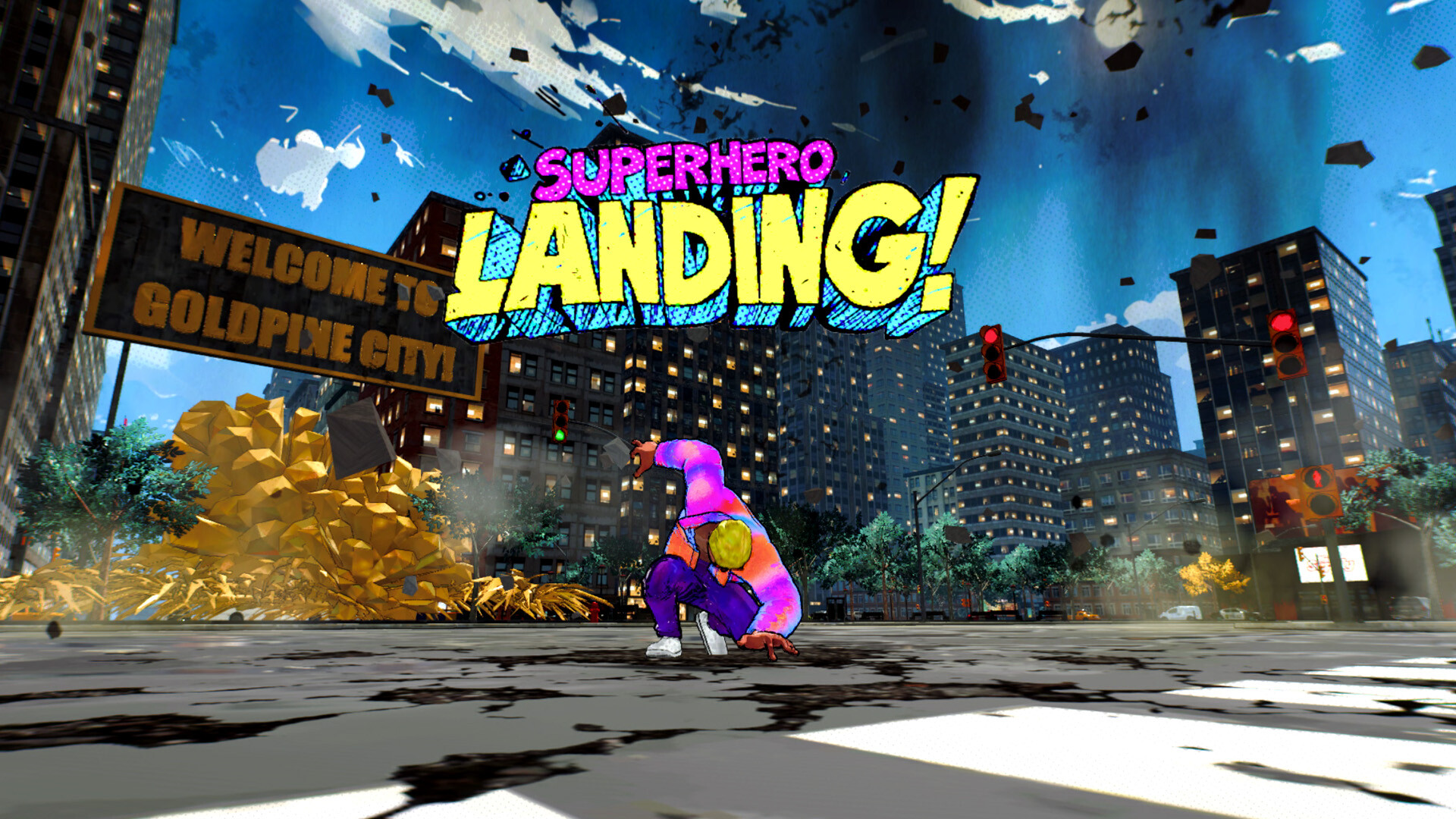
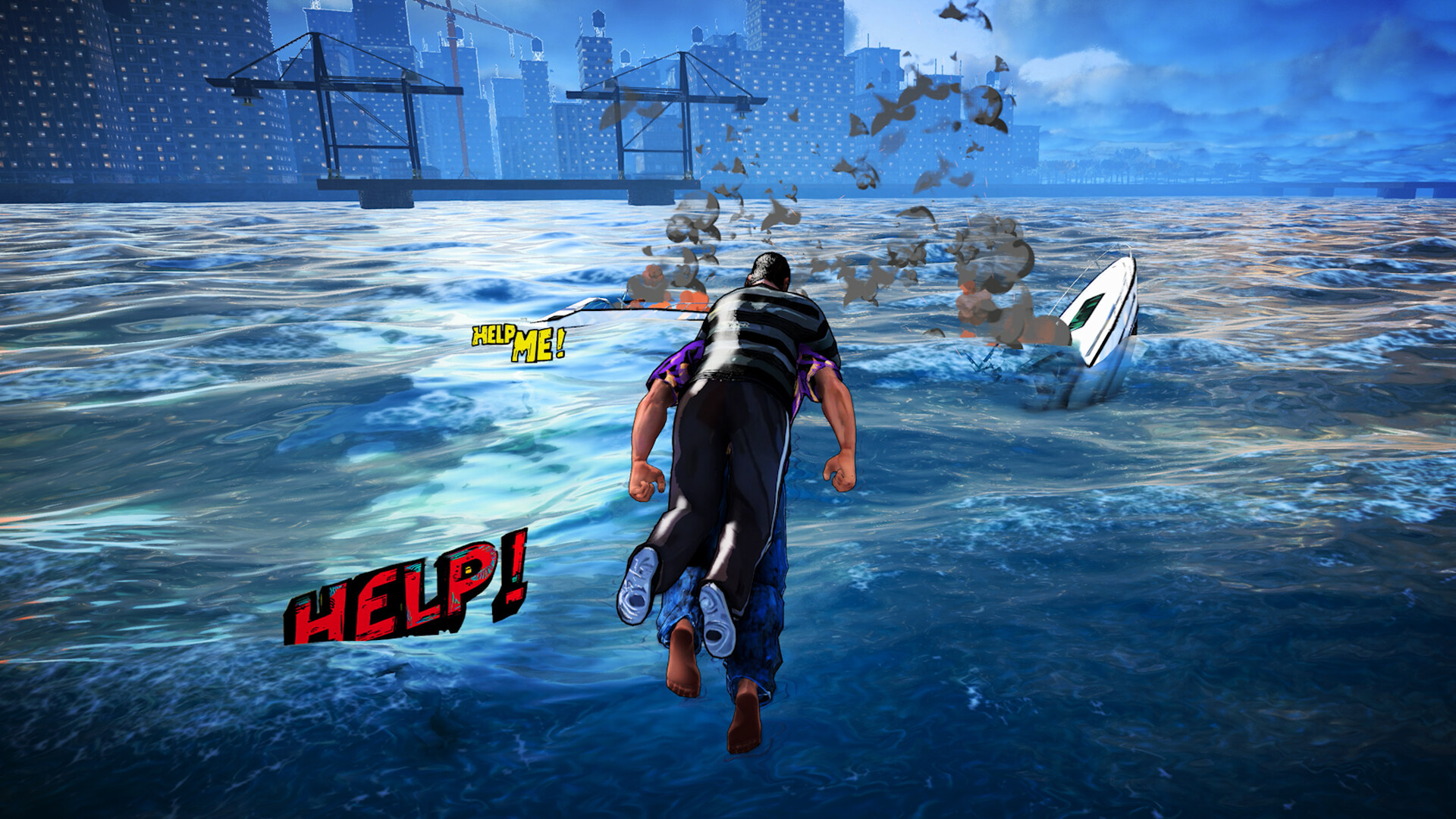
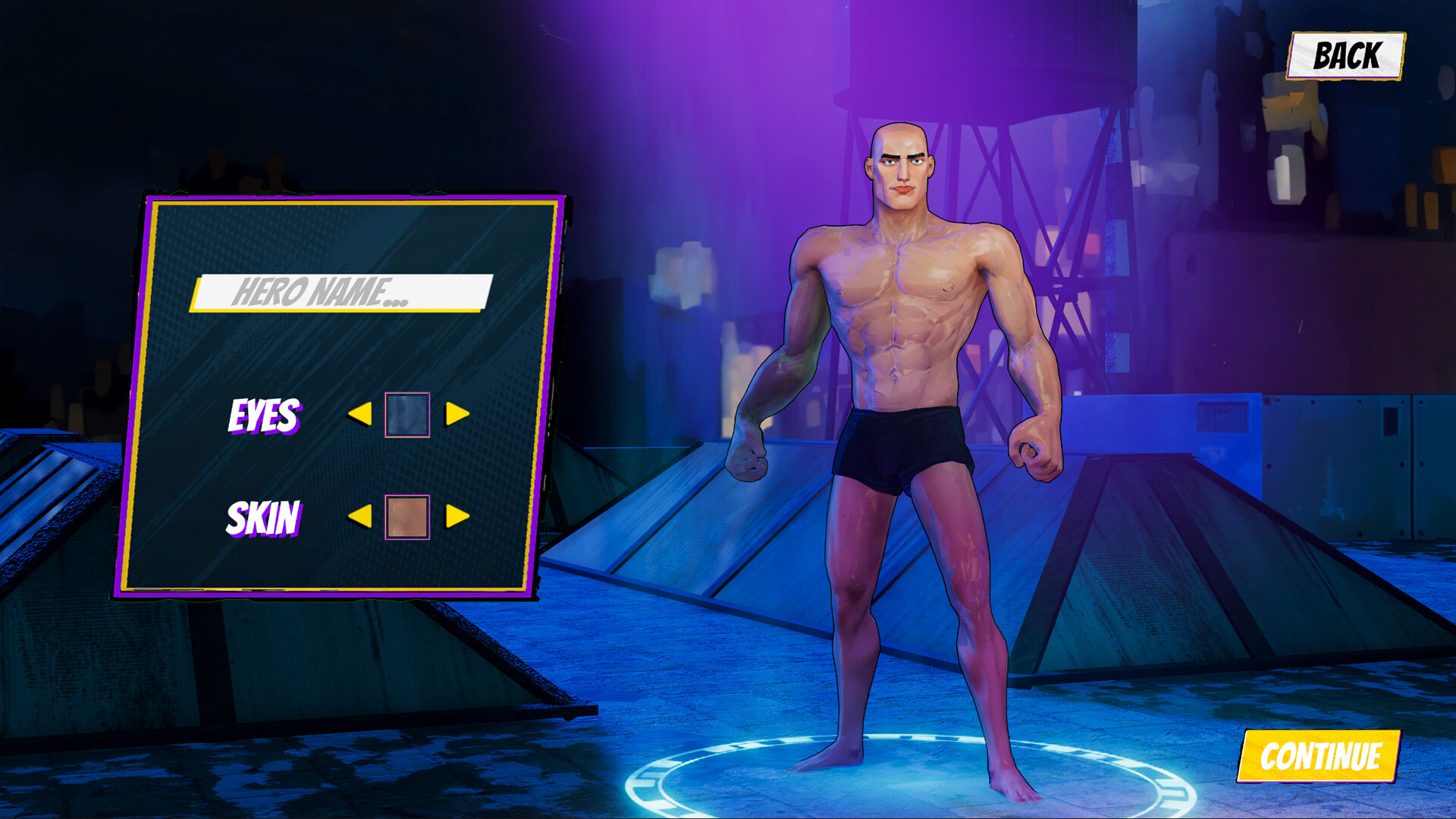
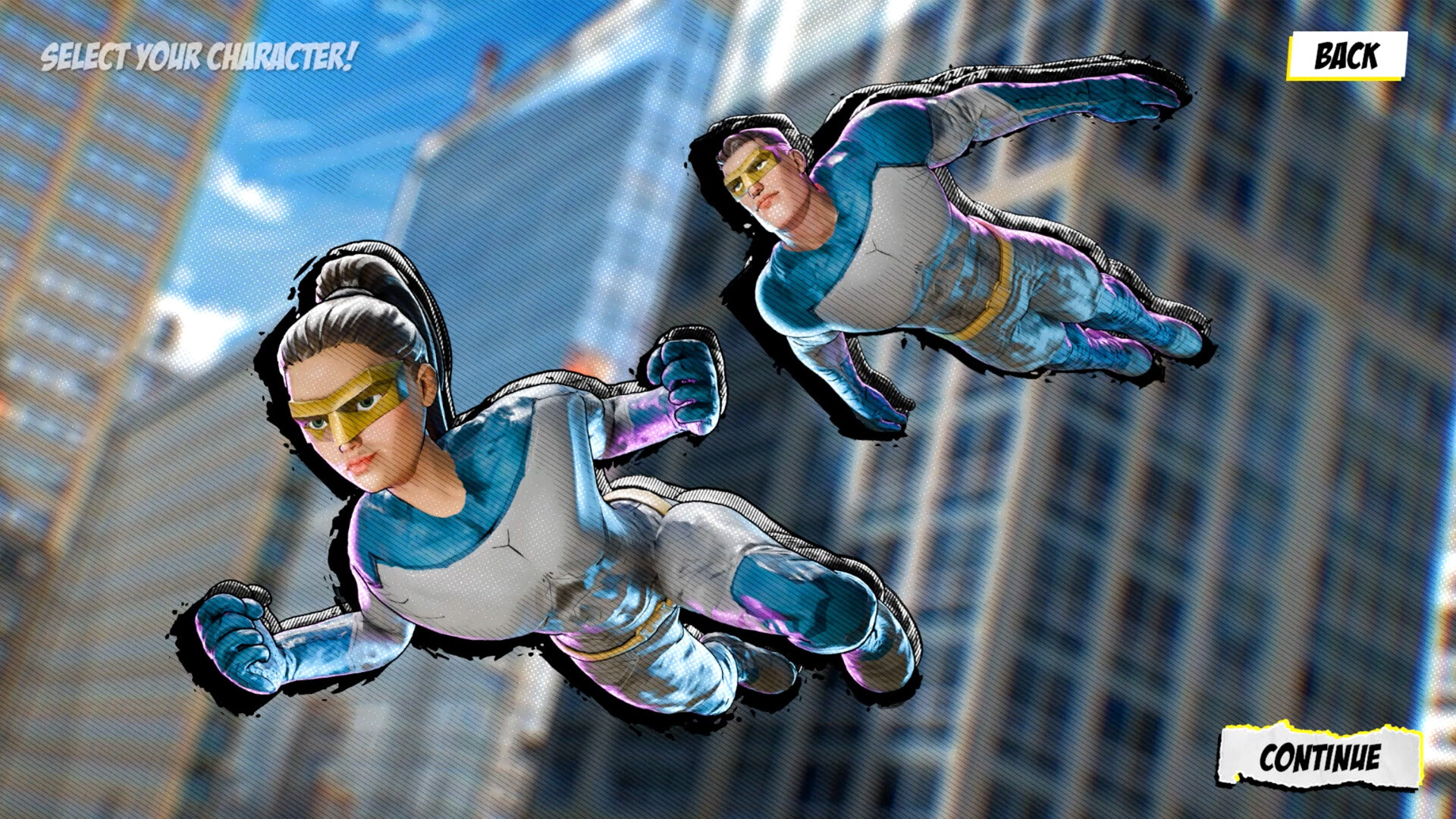
Superhero Simulator is an engaging open-world action and life simulation game that explores the grueling reality of maintaining a secret identity. Set in the bustling city of Goldpine, players are tasked with fighting crime, stopping robberies, and rescuing civilians using a highly praised and satisfying flight system. What makes the game truly unique is its dual-life premise; being a hero does not pay the bills. Players must balance their heroic duties with mundane everyday struggles, taking on normal jobs like flipping burgers, operating cash registers, or driving a taxi just to pay rent, buy food, and maintain their health and hygiene.1,2,3
The game was developed by mightyraccoon! Studios, an independent development team based in Turkey that was formally established in 2024. The studio actually evolved from a massively popular 3D animation YouTube channel named "mightyraccoon!", which was known for creating high quality superhero fan animations and had amassed over 2.5 million subscribers. Because the team transitioned directly from video production to interactive media, Superhero Simulator is an ambitious debut commercial video game title, but hopefully the first of many! 4,5
Creating an open-world superhero game as a new independent studio presented massive scope and resource challenges, particularly when it came to filling the city with content and voice acting. To manage these limitations during their Early Access period, the developers utilized artificial intelligence tools to assist with generating character voices and certain visual assets. While this allowed the small team to populate their world and deliver the game to players, it also became a notable hurdle, as some early reviews criticized the AI dialogue for sounding emotionless and cold. The developers are actively using the Early Access phase to gather community feedback and refine these rough edges, working to balance the repetitive grind of civilian jobs with the exciting combat mechanics.1,3
For marketing, the studio heavily leveraged its massive pre-existing audience. By tapping into their YouTube channel's millions of subscribers, they were able to launch highly viewed cinematic and gameplay trailers directly to an audience that was already invested in superhero content. The game's inherently comedic premise of fighting giant robots while stressing about rent naturally attracted streamers and content creators who reacted to the trailers and broadcasted the Early Access gameplay. Alongside active community engagement on Discord and Instagram, this organic social media push helped the debut title reach an impressive 34,000 estimated units sold and maintain a mostly positive reception from its players..4,6,7,8,9,10,11
A 5v5 suburban demolition brawler built for strategic chaos
Release Date
17 Apr 2025
Developer
Invisible Walls
Saturation Score
1.9 / 10
Positive Reviews (%)
66.5%
Estimated Units Sold
97k+
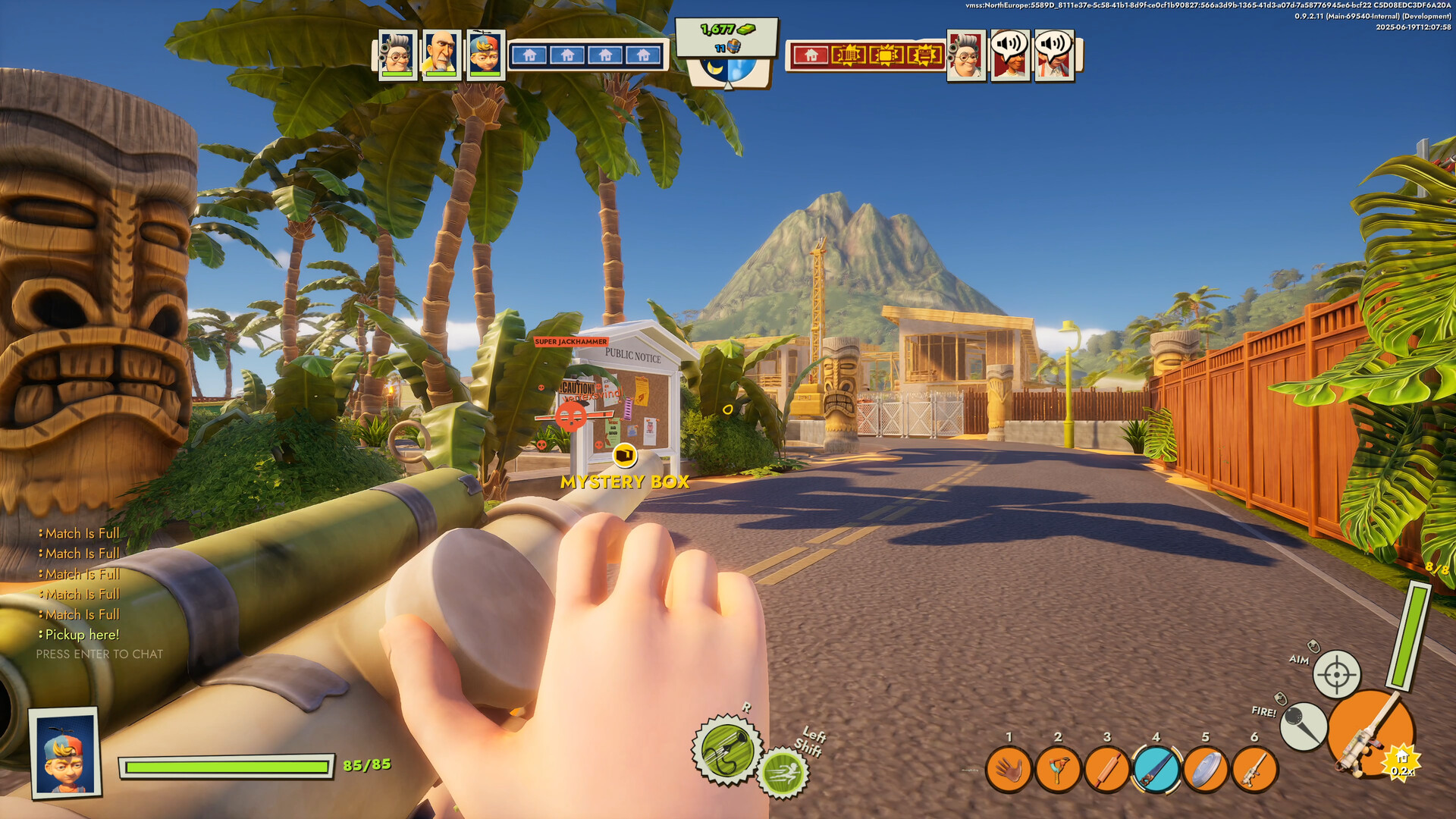
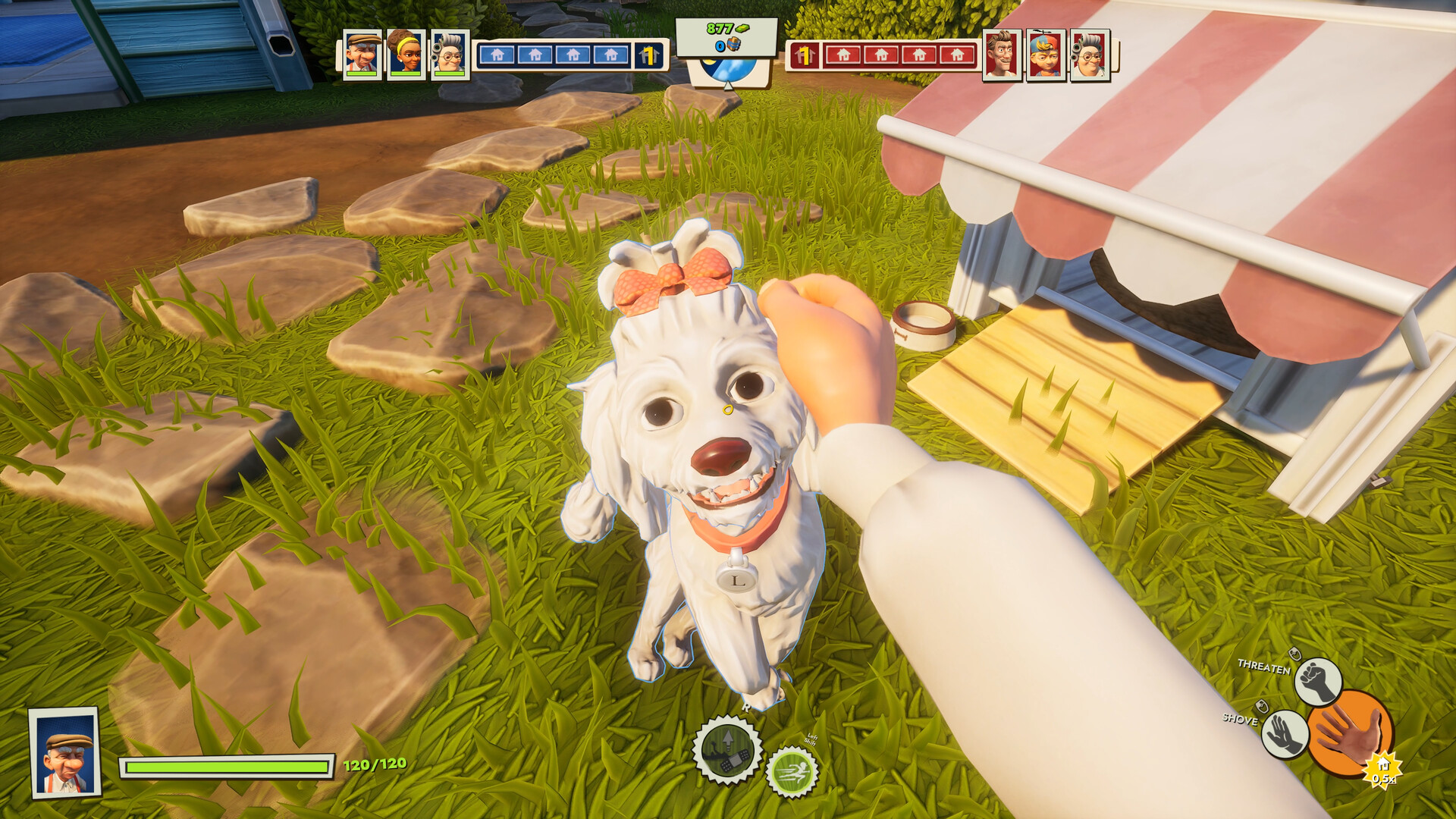
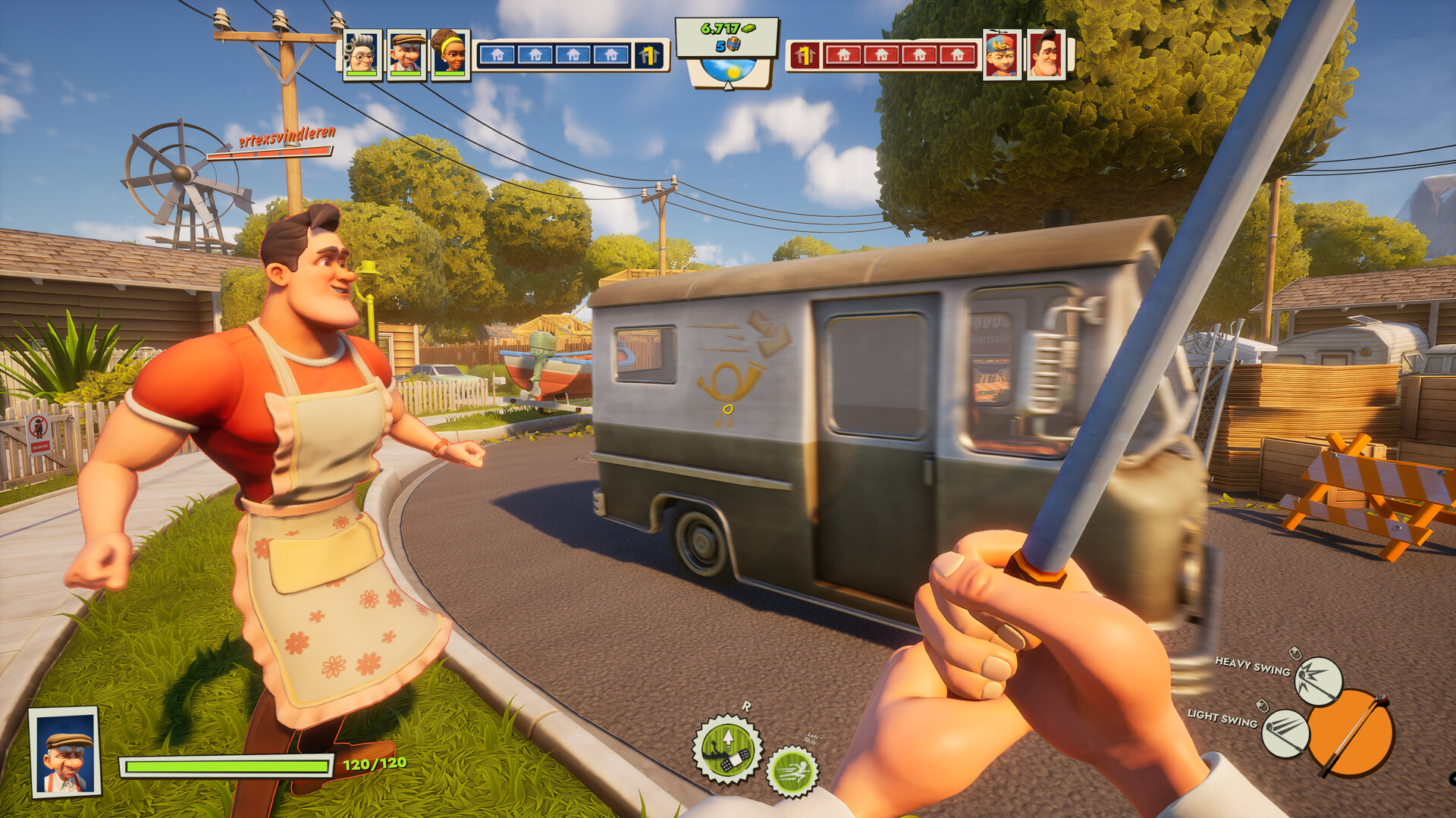
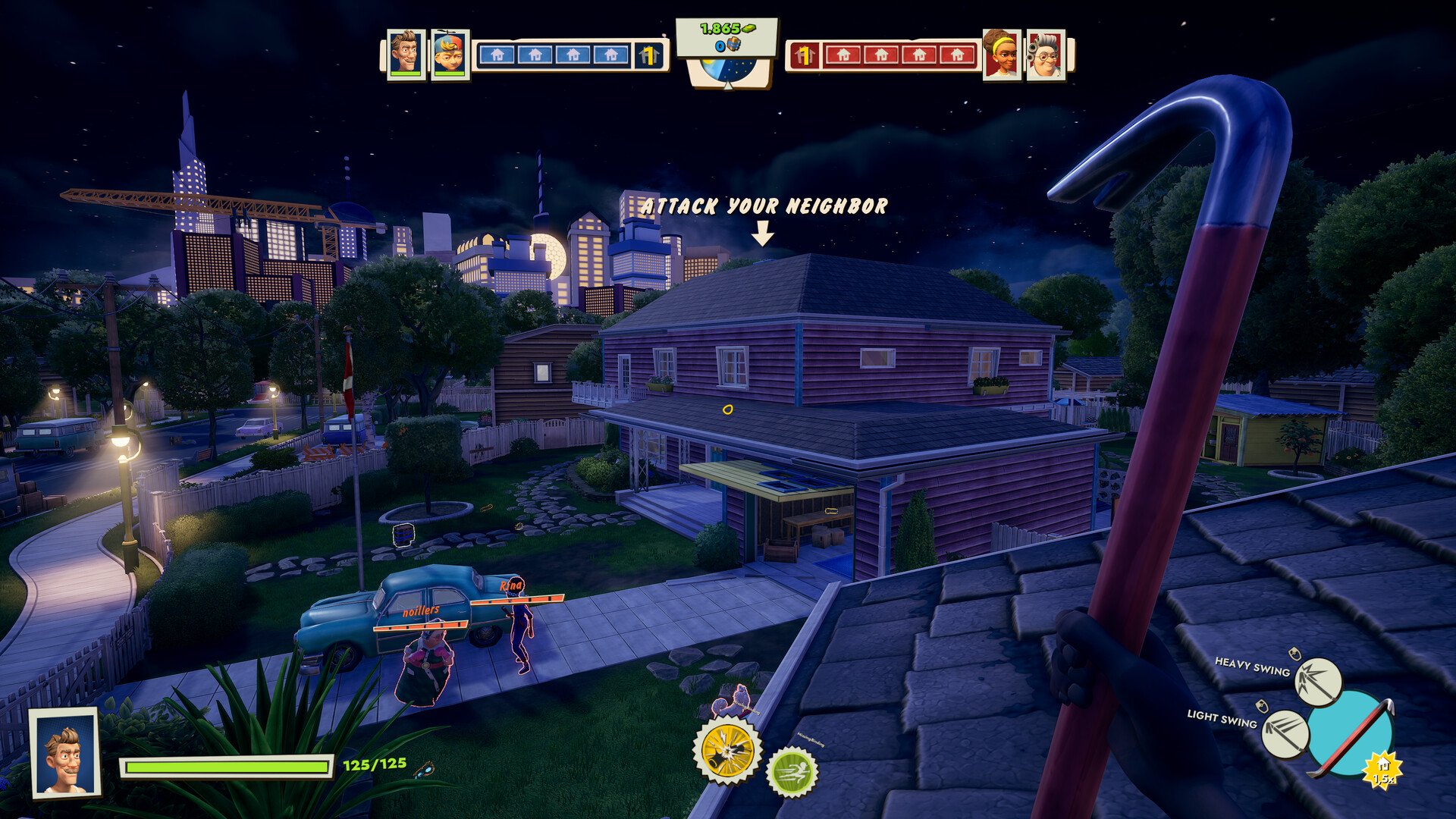
Neighbors: Suburban Warfare is a chaotic online multiplayer party brawler where players team up in 5v5 matches to destroy rival suburban homes using everyday household items turned into weapons. The core premise cleverly blends home defense with aggressive demolition, as players must gather quirky characters, like a boxing-glove-wearing granny or a slingshot-wielding kid, to fortify their own houses with traps and gadgets while actively tearing down their neighbors' fences and walls. What makes the game uniquely engaging is its mix of strategic fortification and slapstick chaos, offering multiple game modes from standard destruction and team brawls to prop-hunt and PvE robotic invasions.1
The game was developed and published by Invisible Walls, a Danish indie studio based in Copenhagen. Before tackling the chaotic suburbs, the 21-person team gained critical attention with their 2017 award-winning puzzle adventure Aporia: Beyond The Valley. However, they are best known for First Class Trouble, a highly successful 2021 social deduction game. The studio has built a strong pedigree around creating multiplayer experiences that rely heavily on unique social interactions and emergent gameplay moments among friends.2,3,4
Creating Neighbors: Suburban Warfare involved managing the complex balance of a destructible environment and a high-action multiplayer sandbox. One of the primary challenges the team faced was tuning the game's economy and defensive meta, requiring constant tweaks to the placement limits of traps, like barbed wire and bear traps, to prevent matches from becoming frustrating stalemates. Because the developers heavily value community-driven development, they launched the game in Early Access in April 2025 to test these mechanics openly, using frequent playtests and feedback loops to iterate on the chaotic 5v5 formula and ensure the gameplay felt rewarding rather than overwhelming.1,5,6,7
The marketing for the game was a masterclass in leveraging content creator dynamics and spontaneous social media trends. Instead of relying strictly on traditional advertising, Invisible Walls utilized an open beta strategy that naturally caught the attention of the streaming community. During a pivotal playtest weekend just before launch, massive Twitch personalities like xQc, sodapoppin, LIRIK, and summit1g unexpectedly grouped up to play the game. This impromptu session skyrocketed the game's visibility to over 80,000 concurrent viewers, easily surpassing giants like Minecraft in viewership for the night. This organic streamer-driven marketing perfectly highlighted the game's hilarious, clip-worthy moments, translating directly into an estimated 97,000 units sold despite a somewhat mixed but improving reception on Steam.1,6,8,9,10,11
A surreal immersive-sim FPS in a Cold War exclusion zone
Release Date
26 Jun 2025
Developer
Siris Pendrake
Saturation Score
2.6 / 10
Positive Reviews (%)
94.0%
Estimated Units Sold
140k+
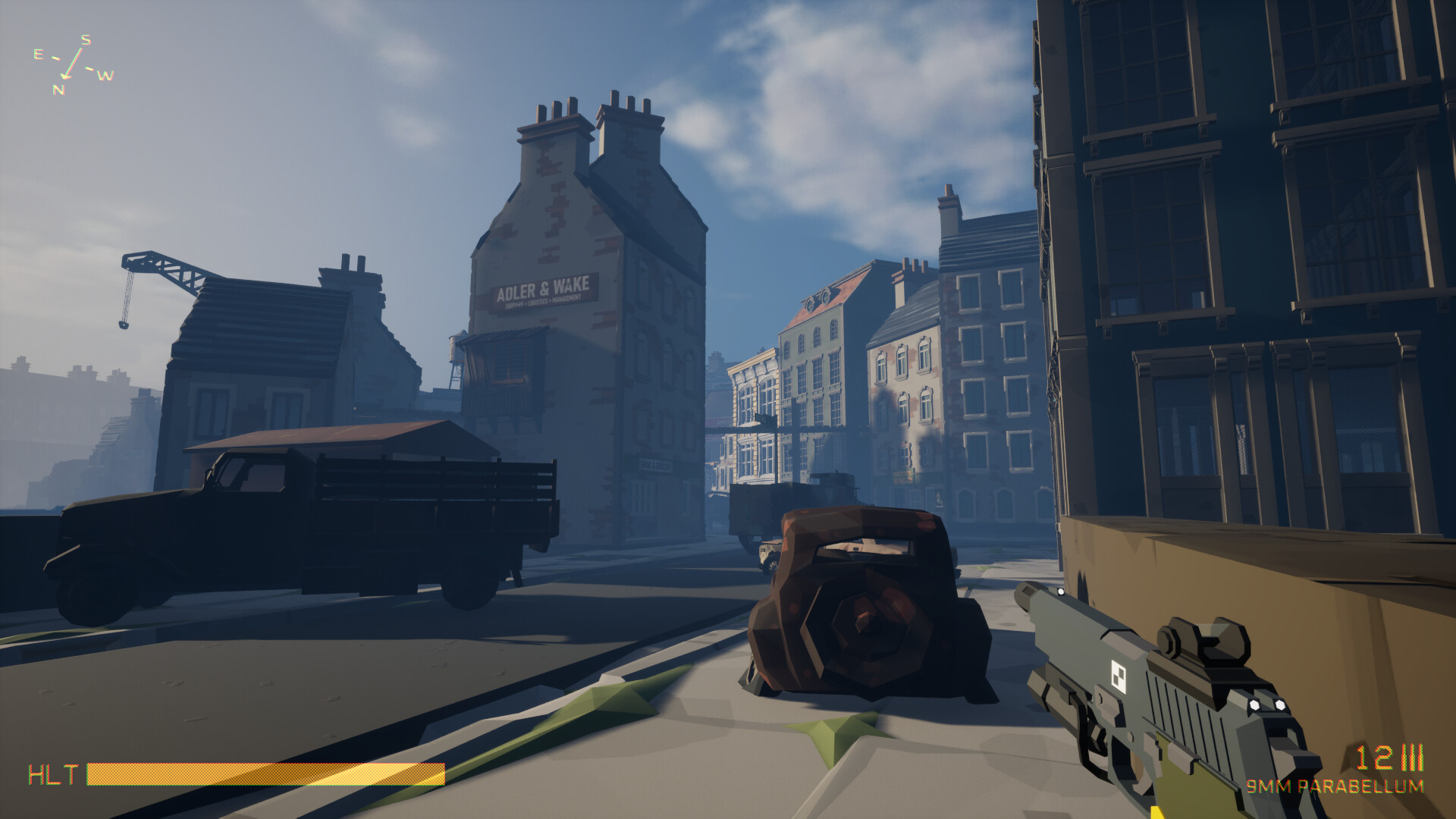
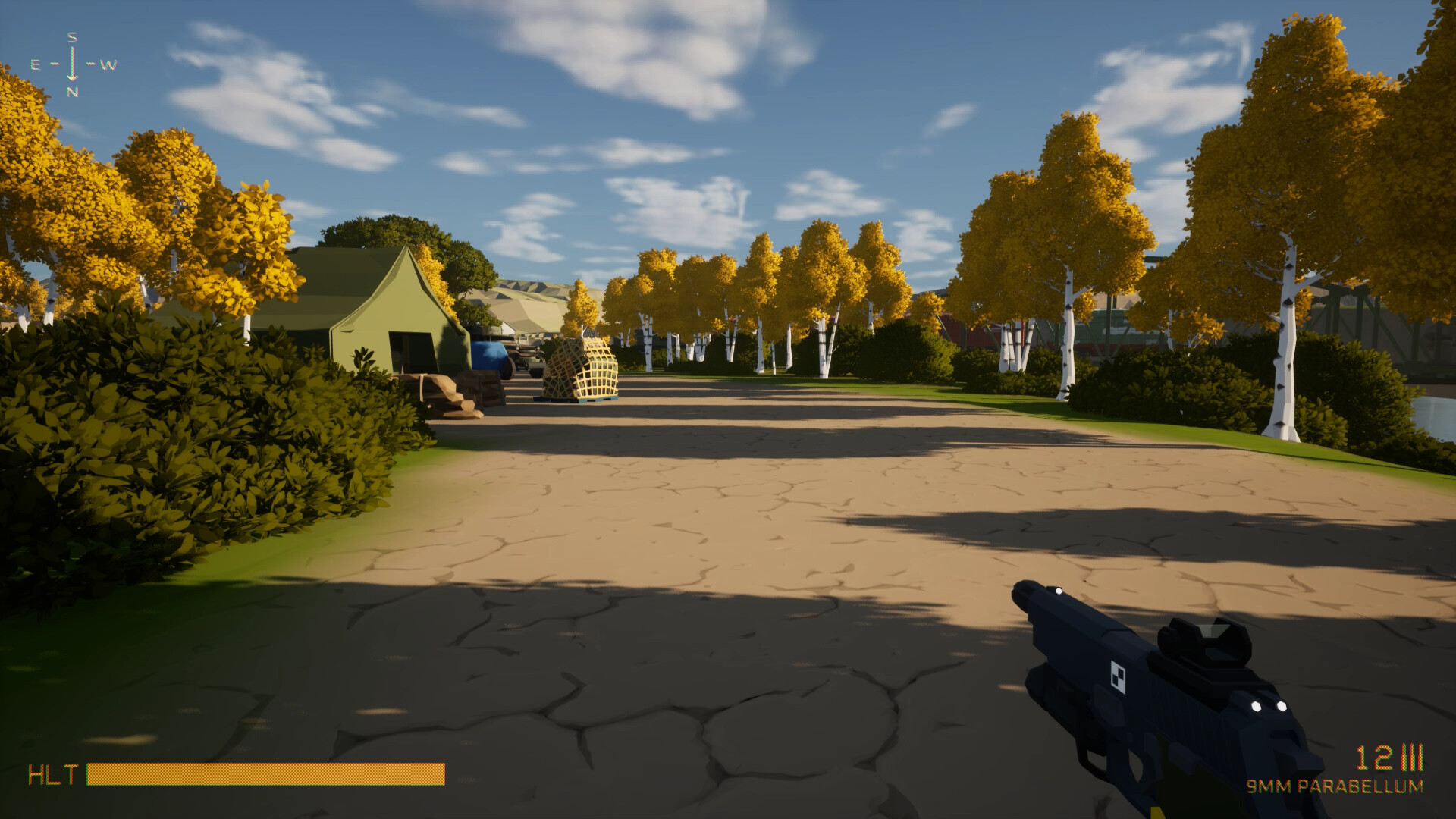
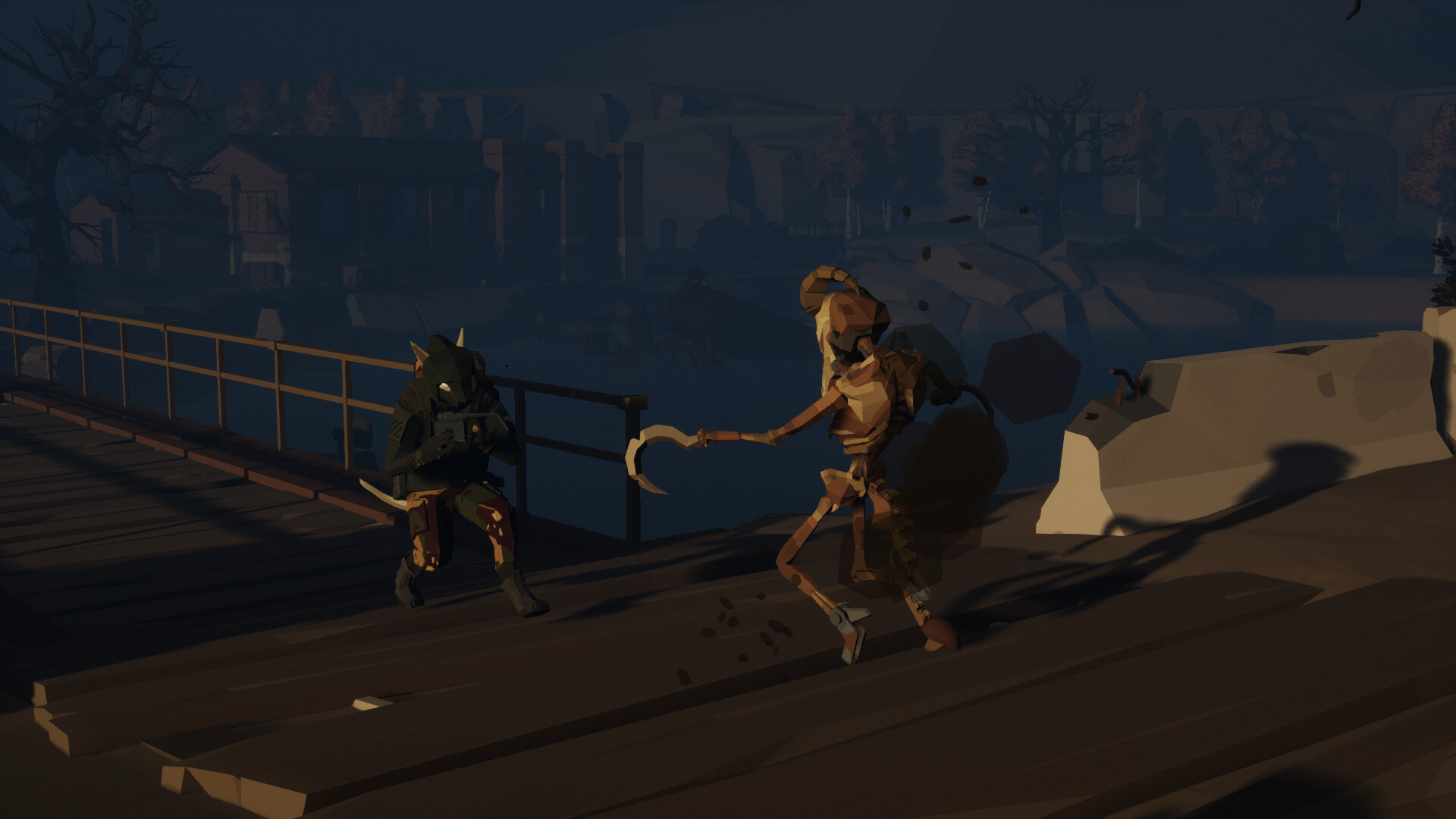
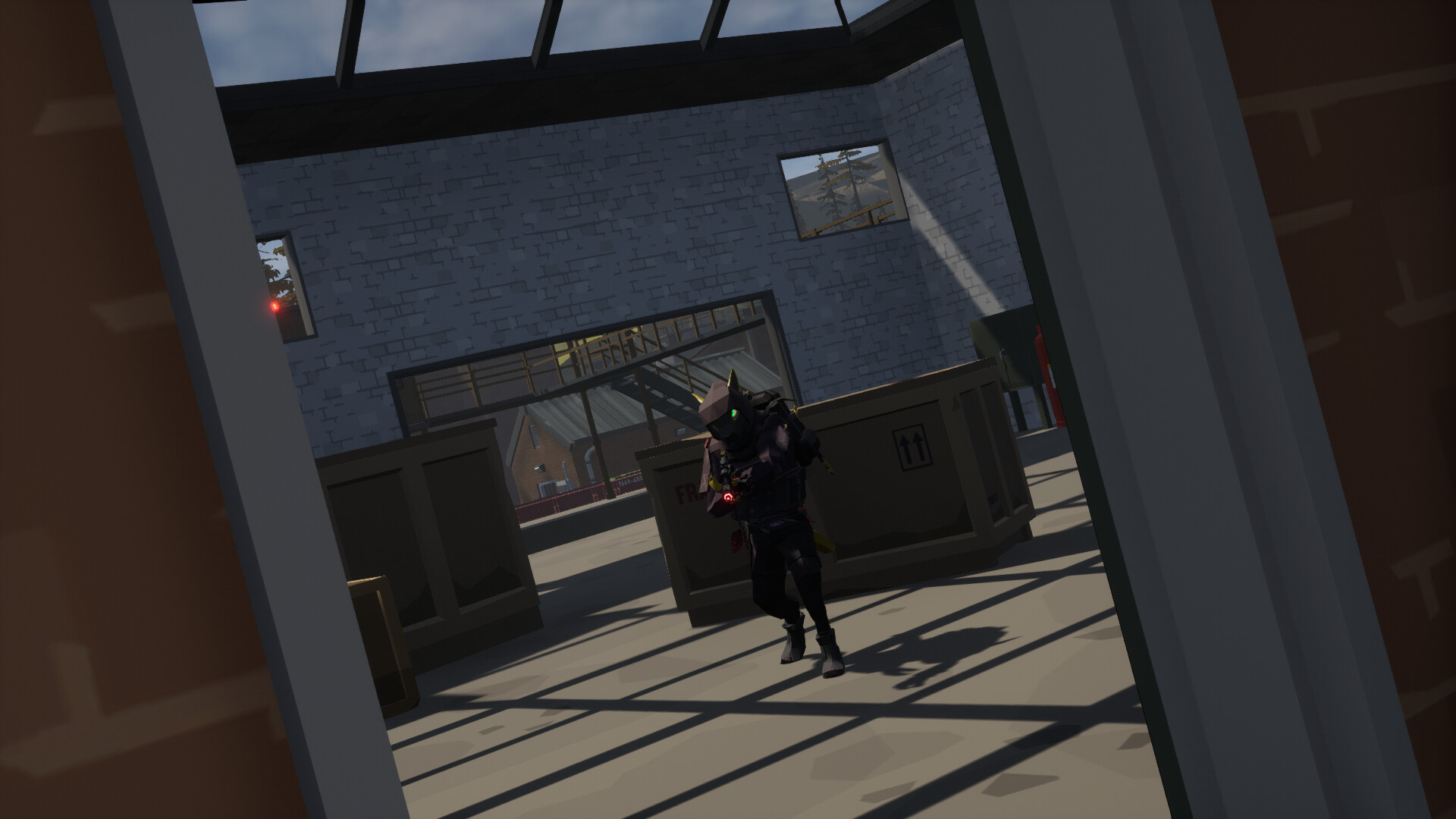
Project Silverfish is a non linear immersive sim and first person shooter that drops players into a mysterious, Cold War era exclusion zone. Strongly channeling the DNA of the S.T.A.L.K.E.R. series, the core loop focuses heavily on tense survival, scavenging for powerful artifacts, and exploring hidden dungeons without any scripted hand holding. What makes the game truly unique is its surreal visual and narrative twist. Instead of standard human survivors, this bleak post apocalyptic world is inhabited by anthropomorphic animals. Players can choose from six distinct pre made classes or create their own custom mutant to navigate deadly anomalies, terrifying creatures, and rival factions vying for control of the zone's secrets.1,2,3
The game is the passion project of solo developer Siris Pendrake, who is also known in the community as Siris the Dragon. Pendrake has built a strong reputation in the indie space for crafting ambitious sci fi and survival horror titles that utilize a distinct, retro inspired low poly aesthetic. Before creating Project Silverfish, the developer released Onyx Clad in 2019, but they are best known for the highly acclaimed shooter ADACA. ADACA was particularly praised for its innovative gravity manipulation mechanics and a popular open ended Zone Patrol game mode, which clearly served as the mechanical foundation for their latest survival project.2,4
Developing a massive, open world immersive sim as a solo creator using Unreal Engine naturally presented immense scope and balancing challenges. One of the most significant hurdles Pendrake faced was tuning the game's combat mechanics to satisfy two competing design philosophies. The developer had to carefully balance the fast paced, arcade style movement common in retro shooters with the heavy, tactical gunplay required to make a survival horror game feel genuinely tense. Additionally, building deep RPG systems like complex weapon crafting and ensuring that the difficulty curve remained smooth from the early game all the way to the late game required constant iteration based on player feedback from closed alpha playtests and early demos.5,6,7,8,9
Because the game lacked a massive advertising budget, the marketing strategy for Project Silverfish relied almost entirely on grassroots community engagement and content creators. Pendrake released a highly generous free demo early in development, which allowed the unique premise to speak for itself. This strategy paid off perfectly when Twitch streamers and YouTubers discovered the game, drawn in by the bizarre but brilliant combination of hardcore extraction shooter mechanics and lizard people. Spontaneous, chaotic moments of gameplay naturally translated into viral clips on platforms like TikTok, creating a massive wave of organic word of mouth promotion that helped the game achieve over 140,000 estimated sales and an overwhelmingly positive reception from players.2,3,10,11,12,13,14,18
A mech-based underwater roguelike mixing pressure combat with cave mining
Release Date
2 May 2025
Developer
RetroStyle Games
Saturation Score
1.7 / 10
Positive Reviews (%)
80.4%
Estimated Units Sold
45k+
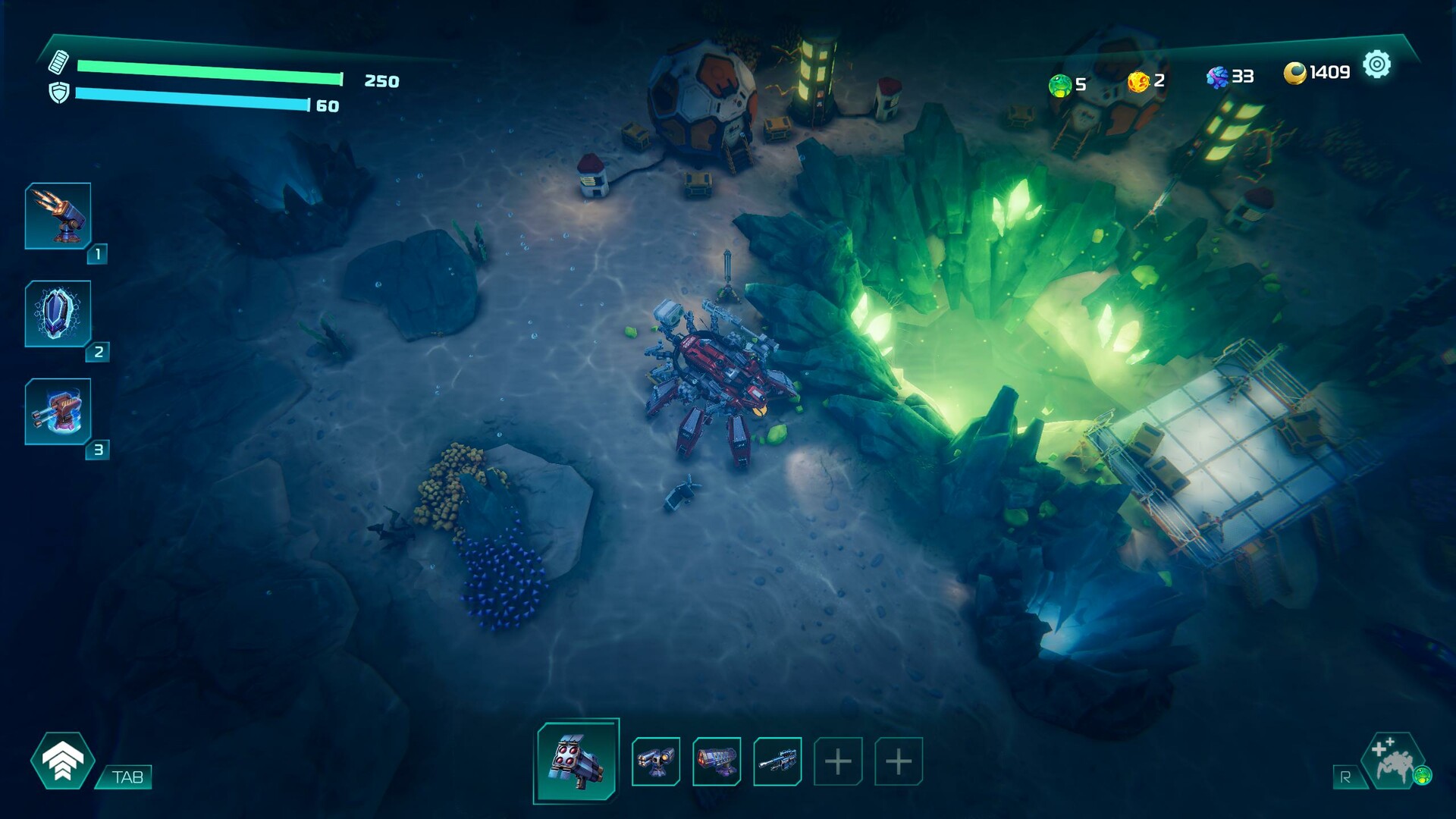
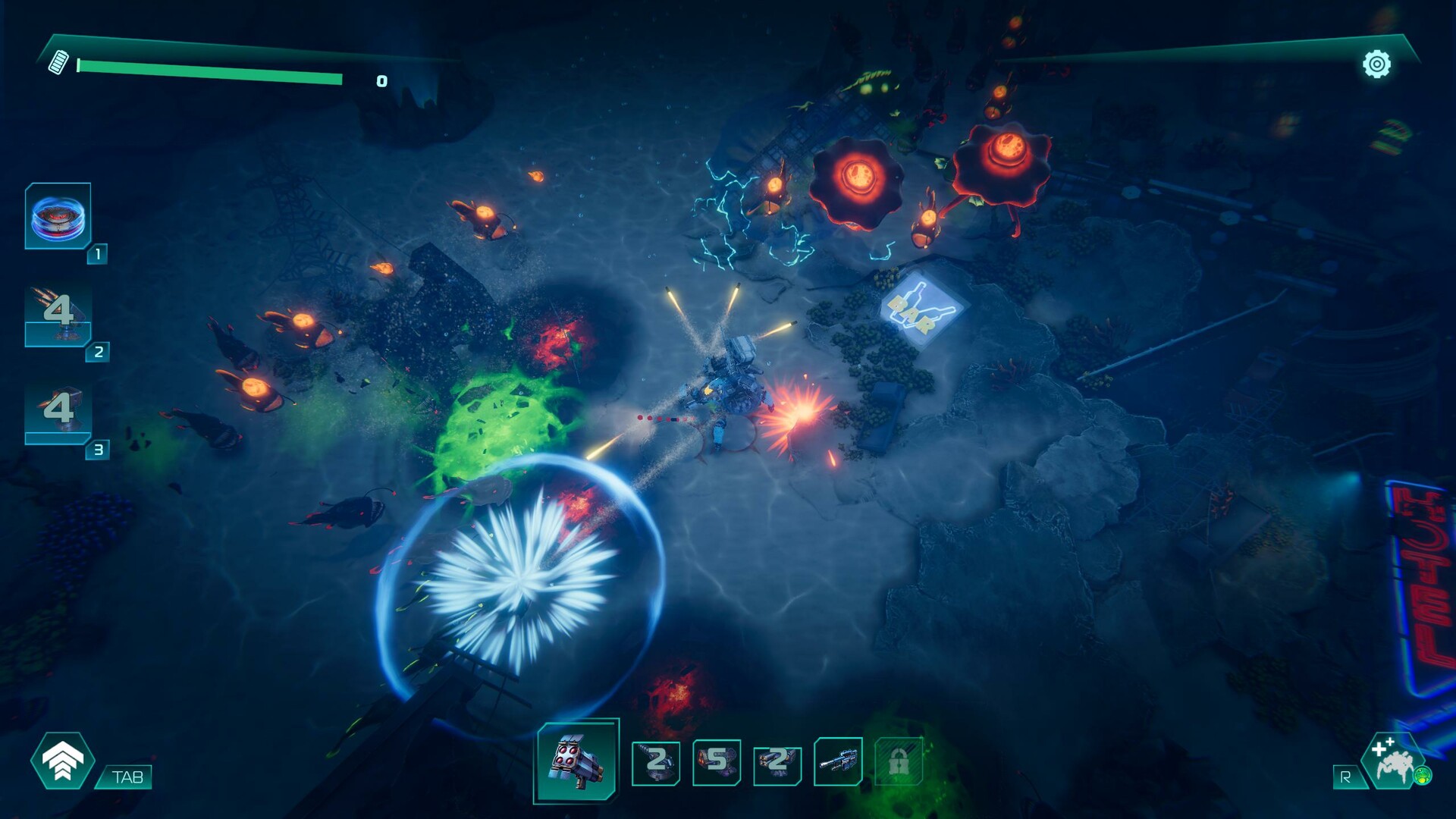
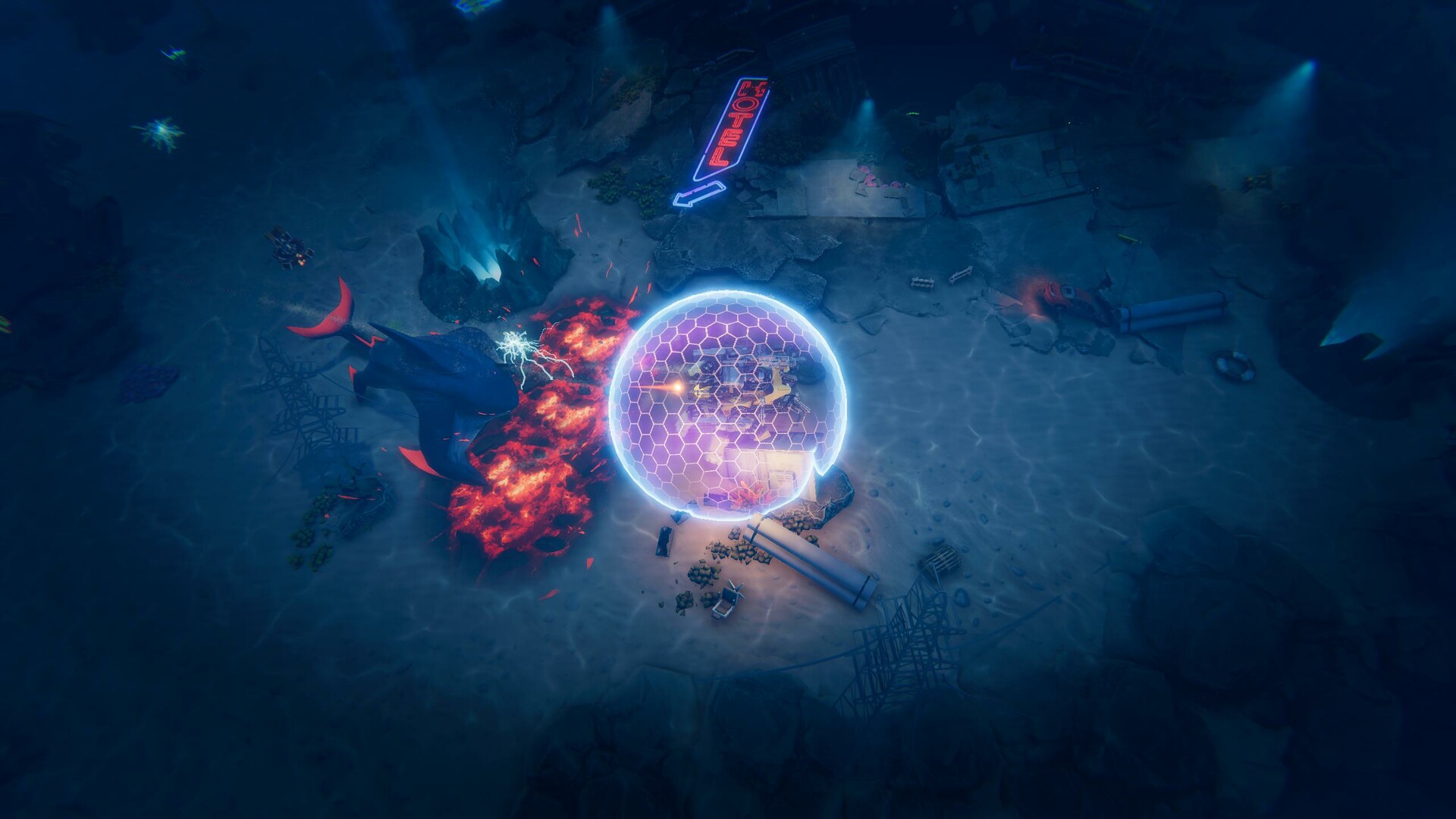
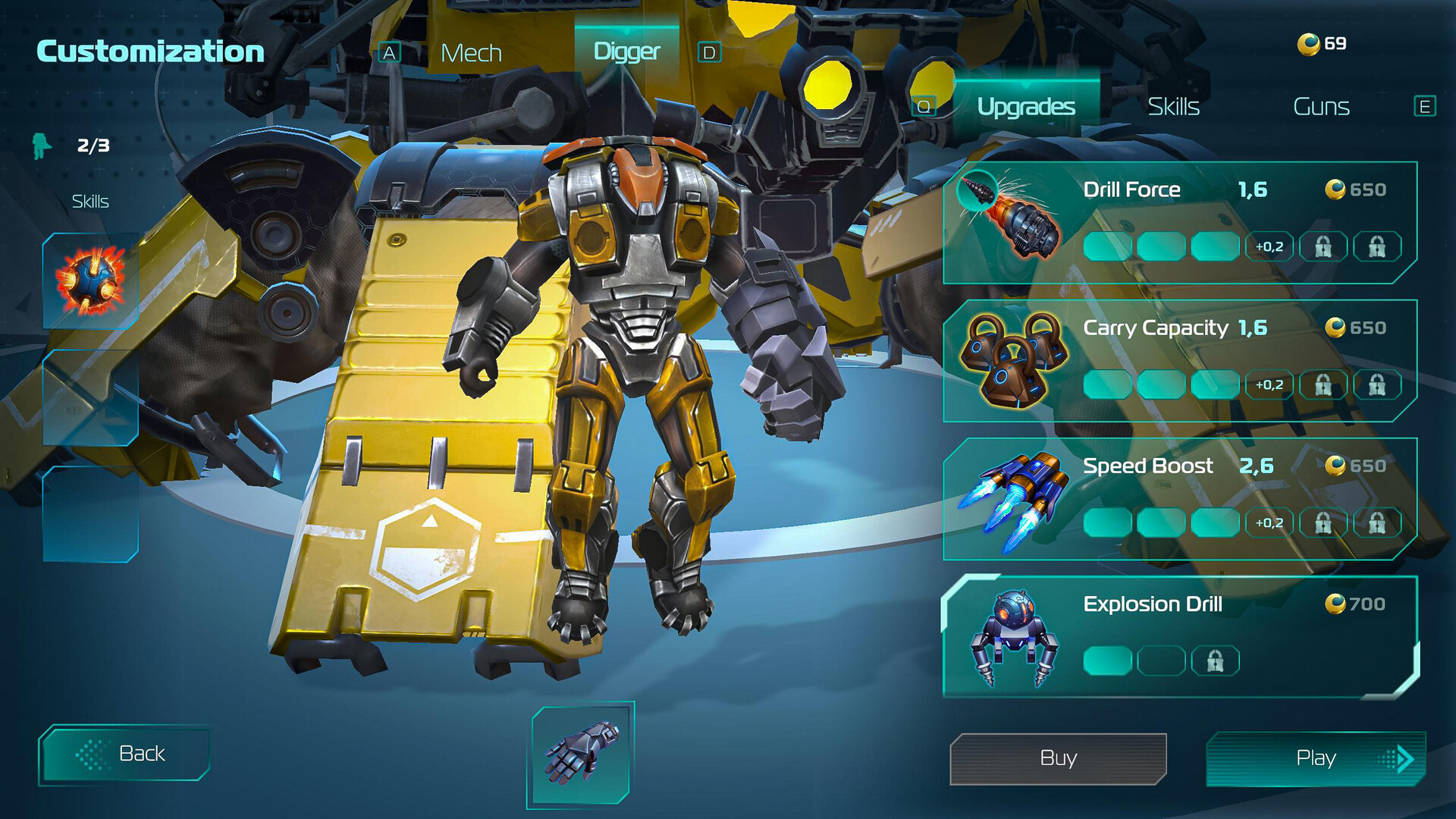
Ocean Keeper: Dome Survival is an engaging isometric survival roguelike that masterfully blends intense action with relaxing resource management. In this game, players control a massive robotic spider mech that explores the depths of an alien ocean floor while fending off relentless swarms of aquatic monsters. What makes the game truly unique is its dual pacing, which alternates between frantic 60-second combat waves on the ocean floor and peaceful, procedurally generated underwater cave mining. Inside these caves, a distinct gravity mechanic makes collected resources weigh the player down, forcing them to balance their greed against the ticking clock before the next monster wave attacks the vulnerable mech.1,2,3,4,5,6
The game was developed by RetroStyle Games, an independent studio based in Kyiv, Ukraine, and Limassol, Cyprus, founded by Pavel Konstantinov over 15 years ago. For the vast majority of its history, the studio has operated as a highly successful game art and co-development outsourcing company, assisting both small indie creators and massive global game studios with 2D and 3D assets. While they had previously created a few small mobile titles, including their very first game called Mars, Ocean Keeper: Dome Survival serves as their ambitious debut PC and console release. Their extensive professional background in creating polished game art for other companies heavily influenced the striking visual quality and smooth animations seen in their own games.7,8,9,10,11
Transitioning from a contract art studio to developing a full commercial PC game presented the team with several significant technical and design challenges. To handle the complex, dual-layered gameplay and the massive number of enemies on screen without performance drops, the developers had to build a custom, highly modular game engine within Unity specifically tailored for this project. Another major hurdle was perfectly balancing the pacing between the chaotic surface combat and the meditative underwater mining so that neither phase felt tedious. To achieve this, the development team drew inspiration from a wide variety of sci-fi media, including Pacific Rim, War of the Worlds, and Evangelion, iterating constantly based on early playtesting to ensure the contrast between the two rhythms felt natural and rewarding.5,7,9,11
Because the team did not rely on a massive traditional advertising budget, their marketing strategy was deeply rooted in grassroots content marketing and community engagement. The developers utilized their in-house art expertise to produce visually captivating trailers and behind-the-scenes development updates, which they shared actively across social media to build anticipation. They also focused heavily on direct communication with their audience, regularly hosting discussions and sharing updates on Reddit and their dedicated Discord server. The game's inherently flashy combat and unique spider mech concept naturally attracted the attention of content creators and streamers, whose gameplay videos generated organic word-of-mouth promotion that ultimately helped the indie title reach over 45,000 estimated sales.2,10,11,12,13,14
A systems-heavy medieval city builder with deep agricultural simulation
Release Date
23 Oct 2025
Developer
Crate Entertainment
Saturation Score
4.4 / 10
Positive Reviews (%)
86.6%
Estimated Units Sold
1M+
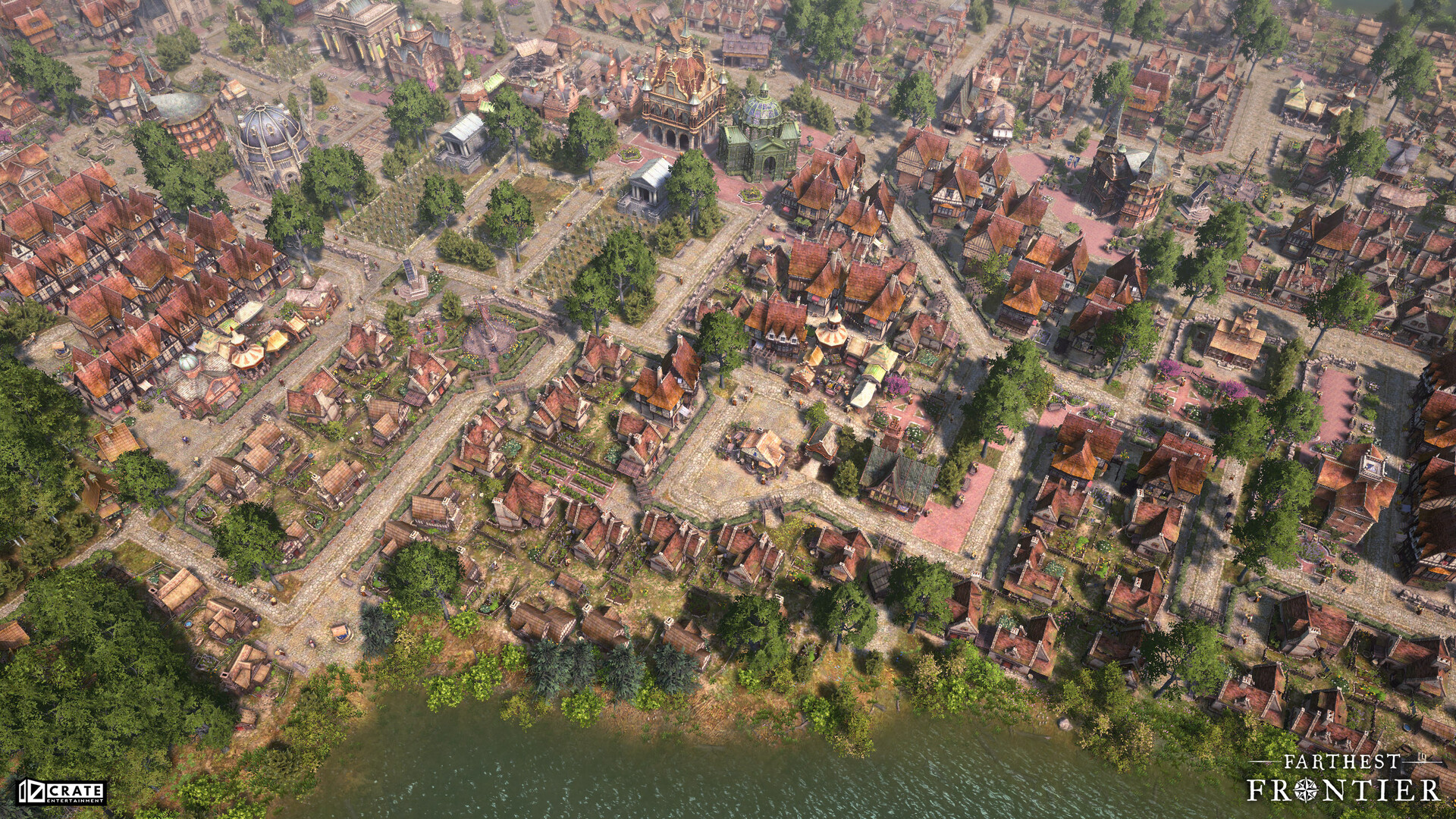
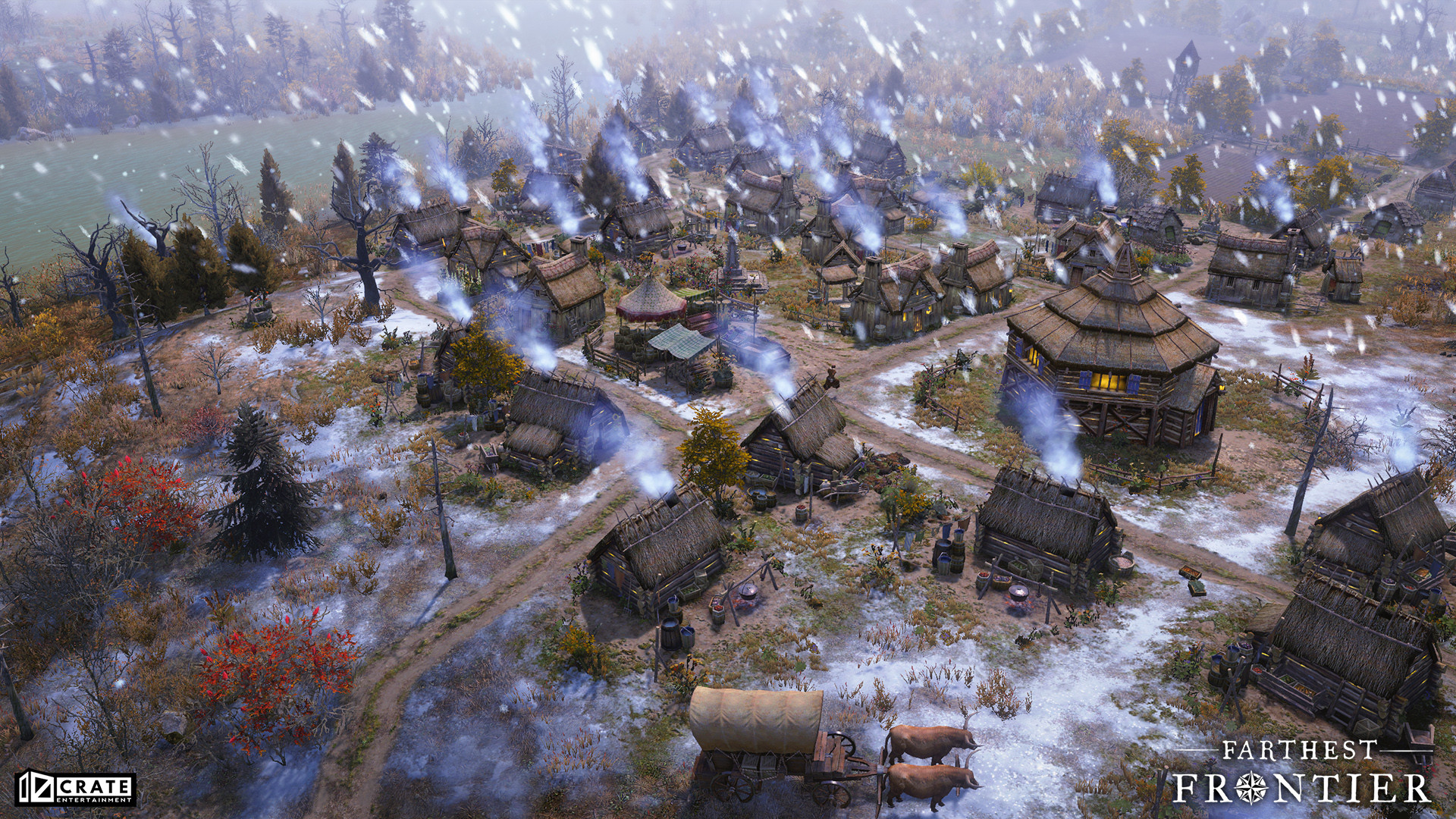
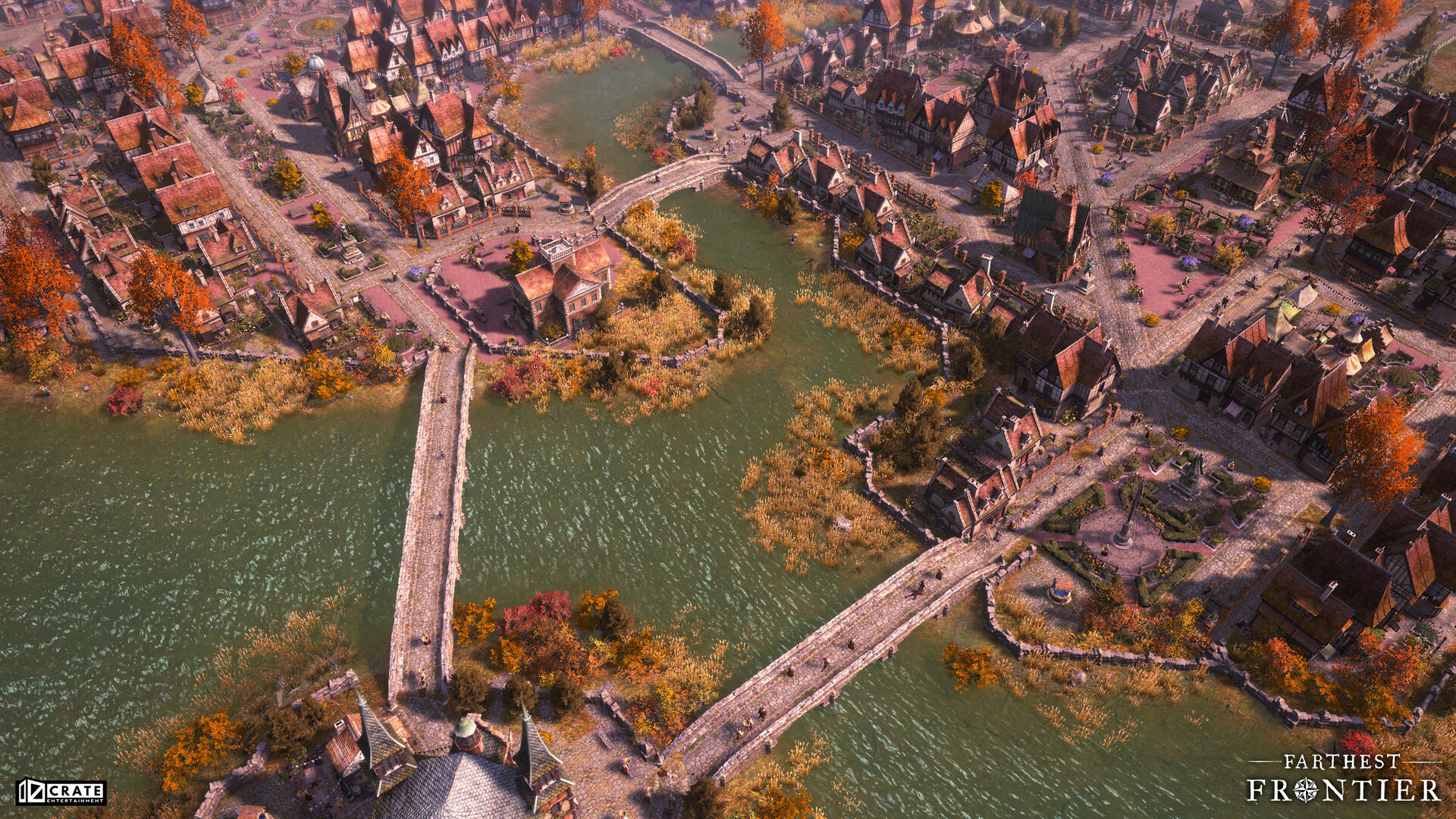
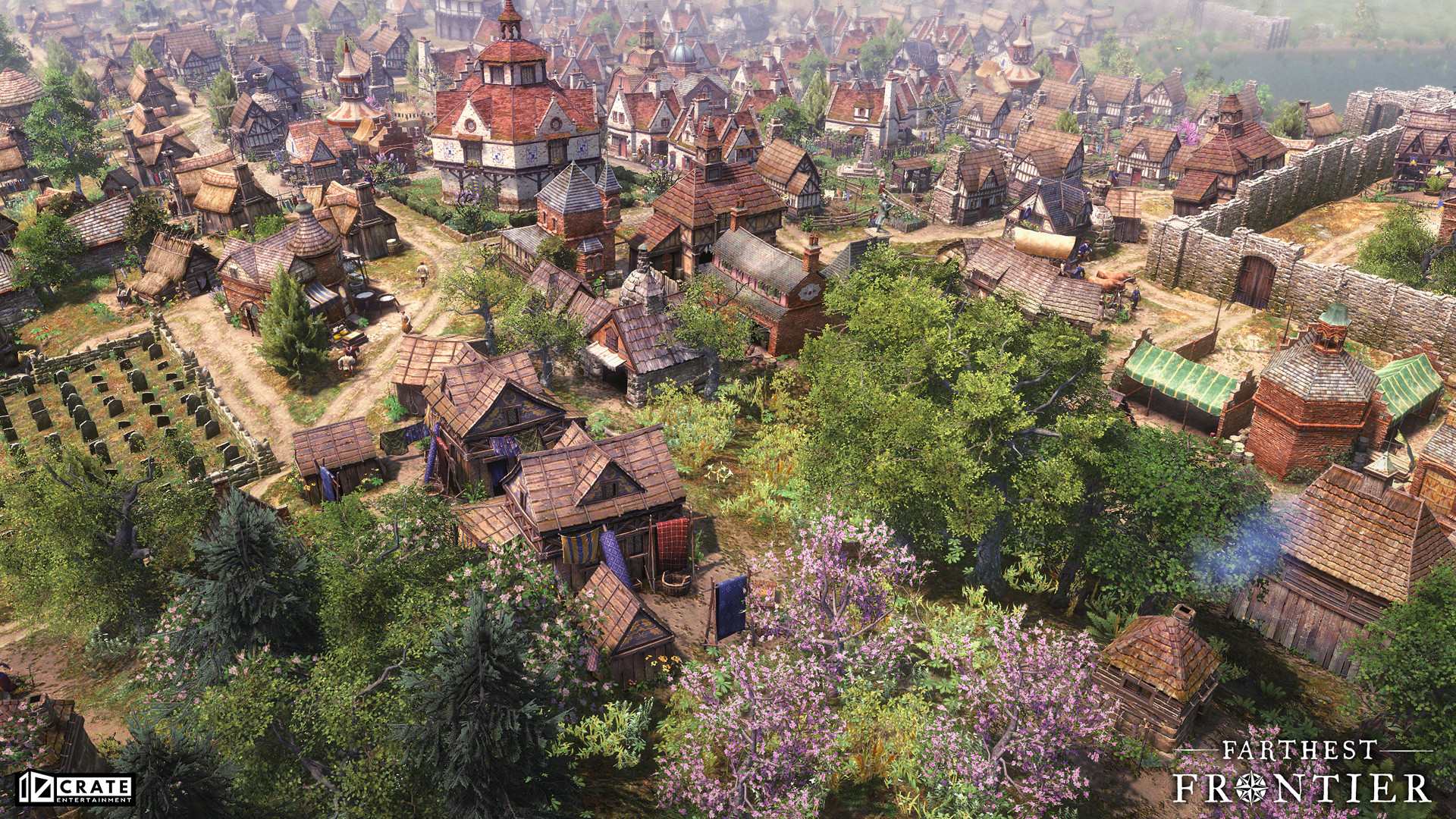
Farthest Frontier is a deeply engaging medieval survival and city building game that tasks players with protecting and guiding a group of pioneers forging a settlement at the edge of the known world. At its core, players must harvest raw materials, construct homes, manage intricate production chains, and survive harsh winters and raider attacks. Its most unique feature is the meticulously detailed agriculture system. Rather than simply placing basic farms, players must carefully manage soil fertility, weed and rock levels, and sand to clay ratios. This complex mechanic requires authentic medieval crop rotation to prevent the land from becoming barren, offering a level of agricultural depth rarely seen in the genre.1,2,3,4
The game was developed and published by Crate Entertainment, a fully independent studio originally founded by developers from Iron Lore Entertainment. Crate Entertainment is best known for creating Grim Dawn, an incredibly successful action role playing game that was funded through Kickstarter and fully released in 2016. Grim Dawn went on to sell millions of copies, which gave the studio the financial freedom to operate entirely without publishers or external investors. This independence allowed the veteran team to pivot from the fast paced action of their previous hit into the methodical, deeply simulated world of town builders.5,6,7
Transitioning to a complex city builder presented the studio with several unique development challenges during the game's multi year Early Access phase. One of the most significant hurdles the team faced was tuning the overall time scale of the simulation. The developers struggled to balance villager productivity and daily needs against the physical limits of how fast the character models could move across the map without looking completely ridiculous. Additionally, the game's reliance on organic population growth through birth rates and incoming refugees, rather than simply purchasing new workers, meant the team had to constantly iterate on the life condition mechanics to prevent players from getting completely stuck without enough labor in the early game. 4,5,8,9
Because Crate Entertainment operates independently, the marketing for Farthest Frontier relied heavily on community engagement and the studio's strong existing reputation from Grim Dawn. The developers frequently communicated directly with their player base through detailed update posts on their official forums. To reach new audiences, they partnered with strategy-focused content creators on platforms like YouTube and Twitch, using sponsored preview videos to showcase the game's massive 1.0 release in October 2025. This mix of direct communication and streamer-driven gameplay footage perfectly highlighted the game's satisfying complexity, ultimately helping it secure an 86.6% positive review rating and well over one million estimated units sold.7,10,11,14
That wraps up our spotlight on the most unique indie games that defined 2025! The development space never stops innovating, and we're already tracking the standout titles shaping up for this year. We'll be doing more of these special reports, including a comprehensive summary of 2026, so be sure to subscribe to our newsletter to stay up-to-date with our latest indie insights and market analysis.