Top 3 Steam Trends in 2026 (So Far)
Share:

Every developer building on Steam faces the same question: where is the market actually moving right now? Genre lists and anecdotal hot takes can only get you so far. At Game Oracle, we built the Steam Map to answer that question with data, and right now, three very clear demand signals are emerging in 2026.
What Is the Game Oracle Demand Map?
The Steam Map is our model of the entire Steam marketplace. Rather than relying on traditional tags and genres, which rarely capture how players actually experience games, the Steam Map positions every game in a shared space where similar games cluster together. The closer two games are, the more they share in terms of gameplay style, visual aesthetic, and overall player experience.
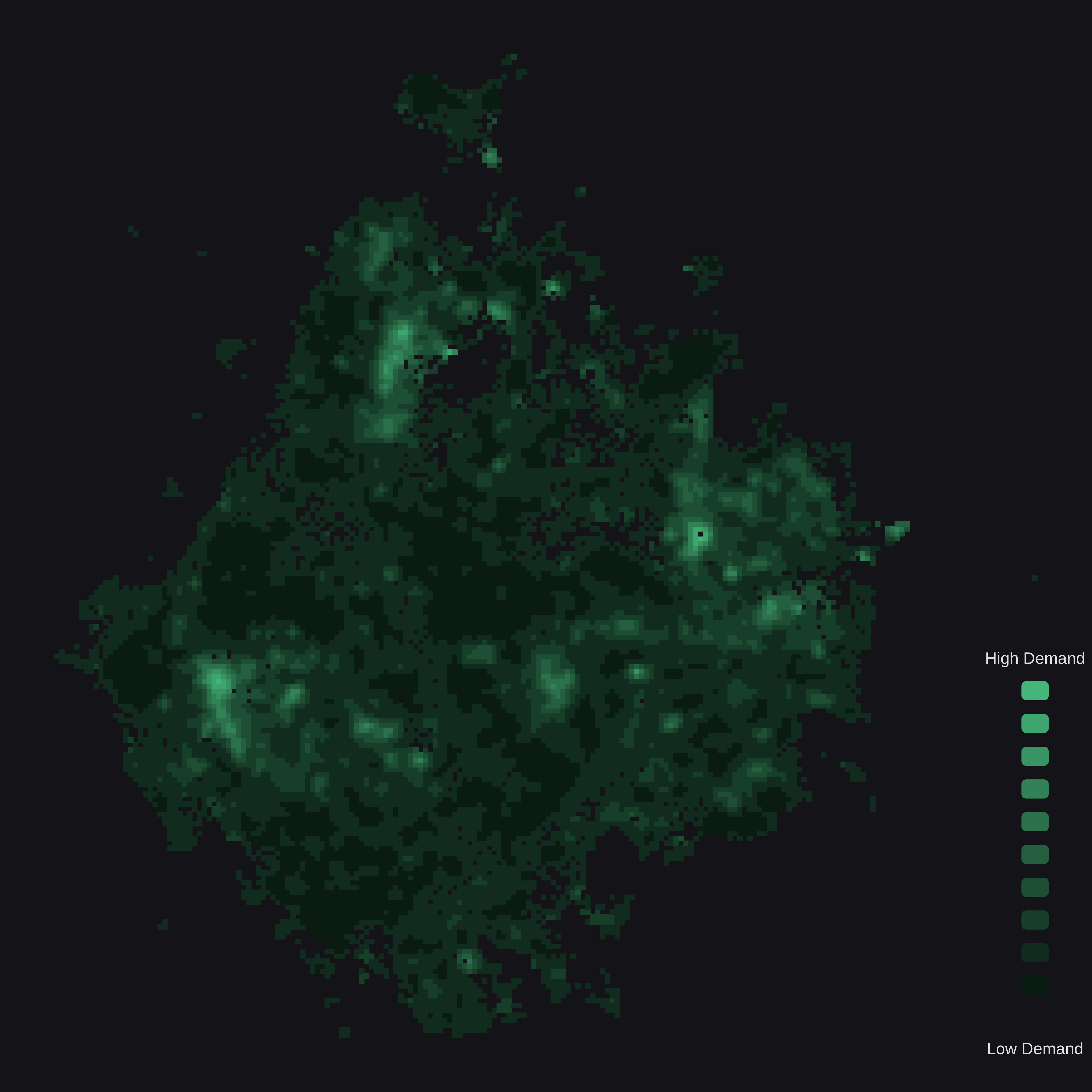
The Demand Map layers a key signal on top of that: we measure the change in estimated wishlists and estimated sales for every cluster of games on the map over the last 90 days. These estimates are powered by our modified Boxleiter method, which uses review counts adjusted for release year, review sentiment, price, and studio size to produce a range of estimated sales for each game on Steam. Wishlist estimates follow a similar methodology, tracking the trajectory of player intent before a game
When a cluster of games starts seeing unusually high wishlist growth and sales growth simultaneously, that is a strong signal of rising demand. We visualise this across the entire Steam catalogue in the Demand Map below, a heatmap where each point represents a game and its position reflects how similar it is to its neighbours in terms of gameplay, aesthetics, and player experience. The colour intensity tells you the demand story: brighter, lighter regions are hotspots where wishlists and sales are growing fastest right now, while darker areas represent markets with lower or stagnant demand. The three trends in this article all correspond to distinct bright clusters in this map, each one a pocket of the Steam market where player interest is clearly outpacing the platform average.
Trend 1: Anime Turn-Based RPGs with Character-Driven Narratives
This is a category that has been simmering for years, but the data suggests it has hit a clear breakout moment in early 2026. The cluster covers turn-based RPGs with anime-inspired 2D aesthetics, party-based combat, character progression systems, and narratives ranging from traditional fantasy quests to more mature content. Think character relationships, guild quests, and world-saving adventures wrapped in expressive visual novel-style presentation.
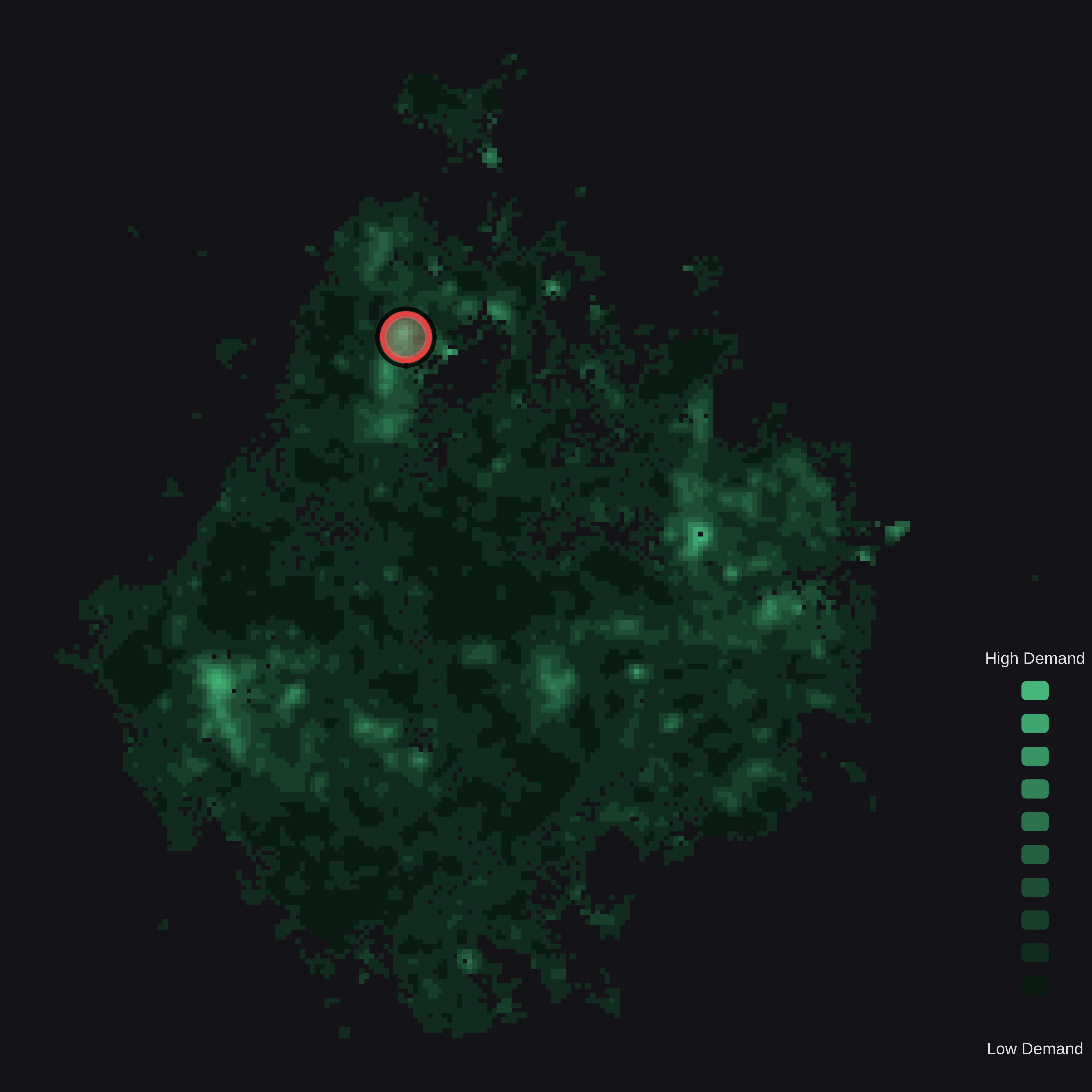
Games in this cluster are seeing average wishlist growth of 105% over the last 90 days, compared to a Steam platform average of around 1%, making this cluster over 100x more active in terms of wishlist momentum than the typical game on Steam. Sales growth sits at 17.6% against a platform average of 4.6%, meaning games here are converting interest into purchases at nearly 4x the rate of the average Steam game.
The success of titles like The Hundred Line: Last Defense Academy in 2025, which blended Persona-style anime aesthetics with turn-based tactical combat and earned significant critical acclaim, helped validate the appetite for narrative-rich anime RPGs among PC players. The genre is also benefiting from the ongoing "JRPG revival" on PC, with retro-inspired titles continuing to find substantial audiences. Players in this space are engaged, vocal, and loyal, which is exactly the kind of community that converts wishlists to sales1,2.
Coming Soon: Top 3 by Wishlist Growth
| Estimated Wishlists | Wishlist Growth (90 Days) | |
| Re:course | 14,000 | 900% |
| Ascension: The Hehuan Sect & 66 Waifus | 57,000 | 303% |
| Rizz Dungeon: Skeleton Key to My Heart | 30,000 | 216% |
Ascension: The Hehuan Sect & 66 Waifus leads the upcoming games by absolute wishlist volume at 57,000 estimated wishlists, showing that this audience is not just growing but actively hunting for the next game to back before release. Re:course has the strongest growth rate at 900% despite a smaller wishlist base, suggesting it is building momentum rapidly.
Released: Top 3 by Sales Growth
| Estimated Sales | Wishlist Growth (90 Days) | |
| Fallen Priestess: My Sister's Demonic Bloodline | 28,000 | 44% |
| Phantom Thief Celianna | 14,000 | 34% |
| Omega Labyrinth Life | 16,000 | 34% |
On the released side, Fallen Priestess: My Sister's Demonic Bloodline leads with 28,000 estimated sales and a 90-day sales growth rate of 44%. All three titles demonstrate that games in this cluster continue to sell long after launch, a sign of strong community-driven discovery and word of mouth.
Trend 2: Idle/Incremental Strategy/Simulation Games
he second trend is one that often surprises developers who aren't paying close attention: idle and incremental simulation games are absolutely on fire. This cluster covers games built around resource gathering, passive progression, production chains, and long-term strategic building. Visually, these games range from minimalist and abstract through to charming pixel art and detailed 2D worlds. The core player fantasy is always the same: start small, watch your system grow, and feel the satisfaction of progress even when you step away.
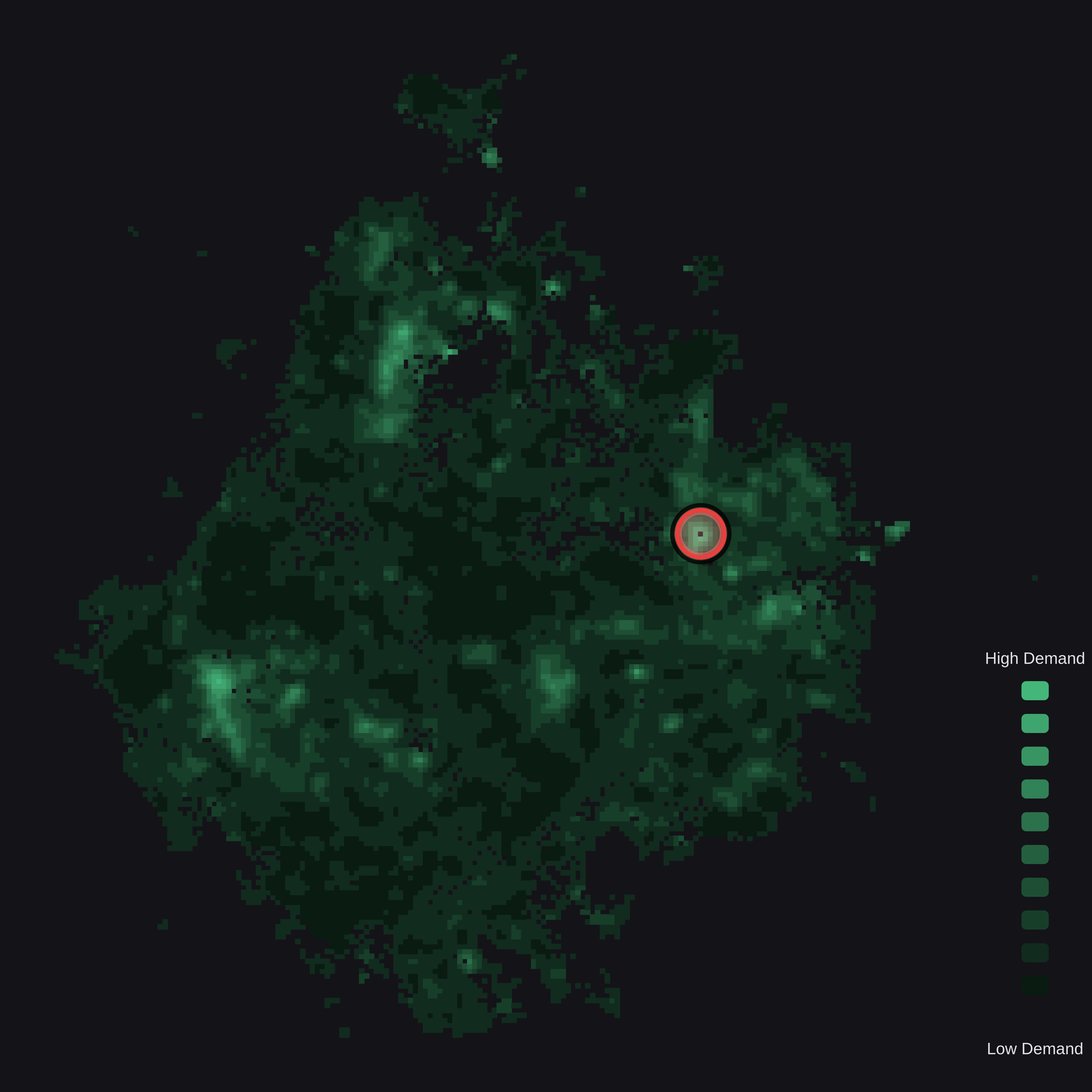
This segment posted an average wishlist growth rate of 358% over the last 90 days, versus the Steam average of ~1%, making it one of the strongest demand signals on the entire map with over 300x the platform average. Sales growth sits at 25%, or roughly 5x the Steam average. These are not marginal signals; this cluster is generating sustained, compounding interest.
The broader market context supports what the data is showing. Idle and incremental games now attract over 400 million monthly active players across mobile and browser combined. That audience is increasingly crossing over to PC, and they are bringing their expectations with them. In 2026, players in this space want deeper meta-progression, fairer monetization, and hybrid gameplay loops that blend idle mechanics with light tactical or strategic choices. The indie developers who can deliver that depth without the predatory monetization patterns common in mobile are finding an enthusiastic audience on Steam3,4.
Coming Soon: Top 3 by Wishlist Growth
| Estimated Wishlists | Wishlist Growth (90 Days) | |
| Fracture Field | 7,500 | 12,460% |
| Phantom Thief Celianna | 12,000 | 8,250% |
| MMO98 | 8,300 | 4,560% |
These are staggering growth rates. Fracture Field has seen its wishlists grow at >12,000% over 90 days! That means their wishlists have multiplied by over 120 times what it was at the beginning of the year. The Loopler and MMO98 are not far behind at 8,250% and 4,560% respectively. For upcoming games to be building momentum at this rate, these titles are clearly resonating with a community that is actively seeking new entries in the space right now.
Released: Top 3 by Sales Growth
| Estimated Sales | Wishlist Growth (90 Days) | |
| Execute | 25,000 | 157% |
| Scratch Inc. | 150,000 | 137% |
| DEFRAG | 18,000 | 104% |
Scratch Inc. is the standout story here with 150,000 estimated sales and a 90-day growth rate of 137%. However, this game is free-to-play which inflates Steam download figures. Despite this, a game at that volume still compounding at over 100% growth suggests a viral discovery loop or a very strong content creator presence. Execute and DEFRAG are also posting remarkable post-launch sales growth for games of their size.
Trend 3: Psychological and Atmospheric Horror
The third trend is the most striking signal on the entire demand map right now, and if you are building a horror game, the data should give you real confidence. This cluster covers psychological and survival horror with a focus on atmospheric immersion, first-person exploration, puzzle-solving, and stealth rather than direct combat. These are games that trade jump scares for sustained dread, games that manage sanity meters, dim lighting, and shifting environments to create a pervasive sense of unease. Sound design is a critical differentiator.
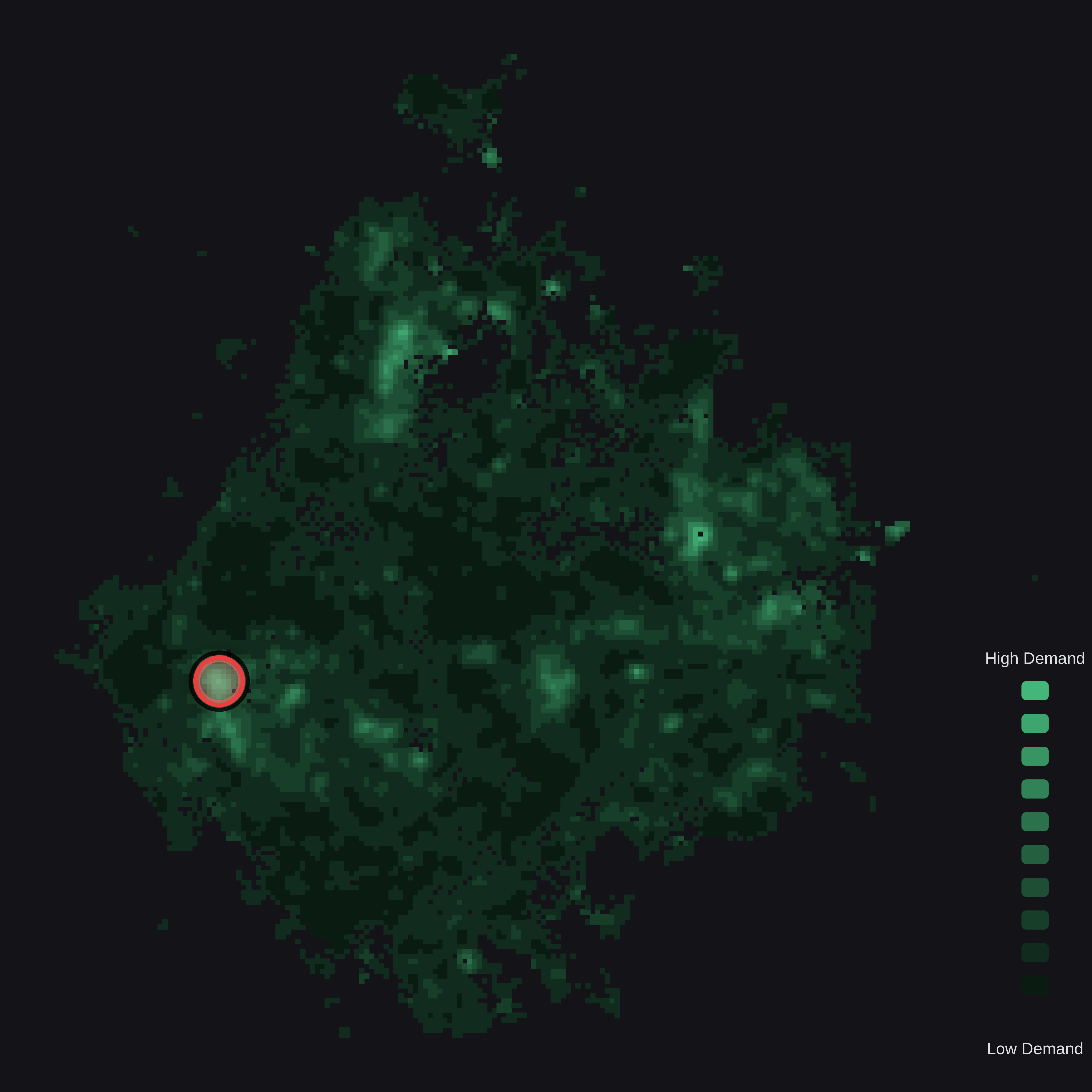
Psychological horror posted the highest demand signal of all three trends, with average wishlist growth of 572% over the last 90 days, compared to the Steam platform average of 1%. Sales growth is equally remarkable at 65.50% versus a Steam average of 4.6%, meaning this market segment is driving sales at roughly 14x the typical platform rate.
The timing makes sense. Industry observers have noted that 2026 is shaping up as a watershed year for indie horror, with slow-burn psychological experiences explicitly displacing the jump-scare-heavy template that dominated the genre for years. Developers are building games that leave emotional marks rather than just in-the-moment frights, and players are responding with their wishlists and wallets. The indie horror community is also particularly strong on content platforms like YouTube and Twitch, where atmospheric horror delivers compelling watchable moments, providing an organic discovery engine that can move wishlist numbers quickly5,6.
Coming Soon: Top 3 by Wishlist Growth
| Estimated Wishlists | Wishlist Growth (90 Days) | |
| Yami Mura | 8,300 | 691,000% |
| Dithered | 11,000 | 3,520% |
| Observer The Cat | 12,000 | 465% |
Yami Mura had virtually no followers back in January of this year but then exploded in February growing to an estimated 8,300 wishlists. We can't seem to pin down the exact viral moment for this game, but something, whether a demo, a trailer, or content creator coverage, caused a spike that is still visible in the data. At the same time Dithered and Observer The Cat are building steady momentum and demonstrate the strong signals in this high-demand market segment.
Released: Top 3 by Sales Growth
| Estimated Sales | Wishlist Growth (90 Days) | |
| No, I’m not a Femboy | 42,600 | 158% |
| Days Without Incident | 47,000 | 66% |
| El 39 | 14,000 | 54% |
On the released side, No, I'm not a Femboy (I don't know what this game is about and I'm not asking questions 👀) leads with 42,600 estimated sales and a 90-day growth rate of 158%, alongside Days Without Incident at 47,000 estimated sales. Both games demonstrate strong post-launch legs in a market segment where player recommendations and community-driven discovery are clearly doing a lot of the heavy lifting.
Trends Are Not the Same as Opportunities
It is tempting to look at these three market segments and immediately start prototyping. And in some cases, that might be the right call. But high demand does not automatically mean high opportunity.
A market segment can be trending precisely because it is already flooded with supply. Lots of developers saw the same signal and the competition is fierce. What matters is not just where demand is high, but where demand is high and supply is low.
That is exactly what our Opportunity Map highlights. By layering supply data on top of demand signals, we identify the specific pockets of the Steam market where players are clearly looking for games, but developers have not yet shown up in force. These are the gaps where a well-executed game has the strongest chance of cutting through.
If you want to find your next project in one of these three trending segments, or in a completely different corner of the market, start with the Opportunity Map and let the data tell you where the real white space is.
Explore the Steam Map and Opportunity Map at Game Oracle
References
- https://www.thisissonnet.co.uk/reads/2026/03/30/guide-best-indie-steam-games-2026-picks.html
- https://turnbasedlovers.com/lists/top-25-turn-based-rpgs-of-2025-goty-picks/
- https://pinkcrow.net/game-idea/best-idle-games/
- https://blog.clickerheroes.com/best-idle-game-2025/
- https://www.relyonhorror.com/articles/indie-developers-push-horror-new-extremes-in-2026/
- https://gamewhims.com/roundup/best-horror-games/